Colville Estate Masterplan
Resident-led engagement supporting the review and delivery of a complex, phased estate regeneration
Client: Hackney Council
Location: London, UK
Completion: 2025
Collaborators: Maccreanor Lavington

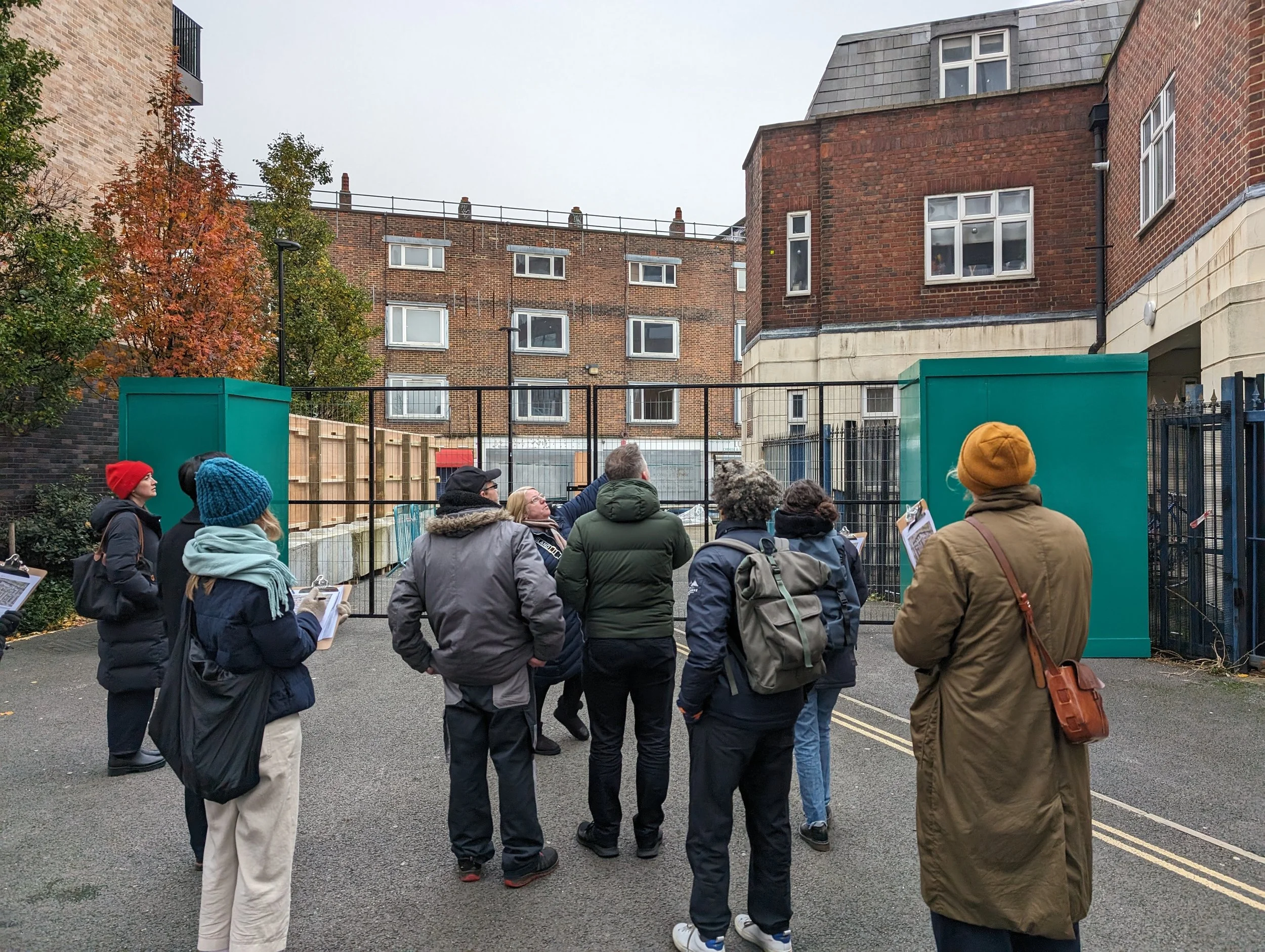
Colville Estate is a long-term regeneration project in Hackney, being delivered in phases across an existing mixed-tenure community. In 2023, Civic joined a Maccreanor Lavington-led team to review the masterplan for the eastern half of the estate, in response to changing policy, increased sustainability requirements and a renewed focus on building reuse.
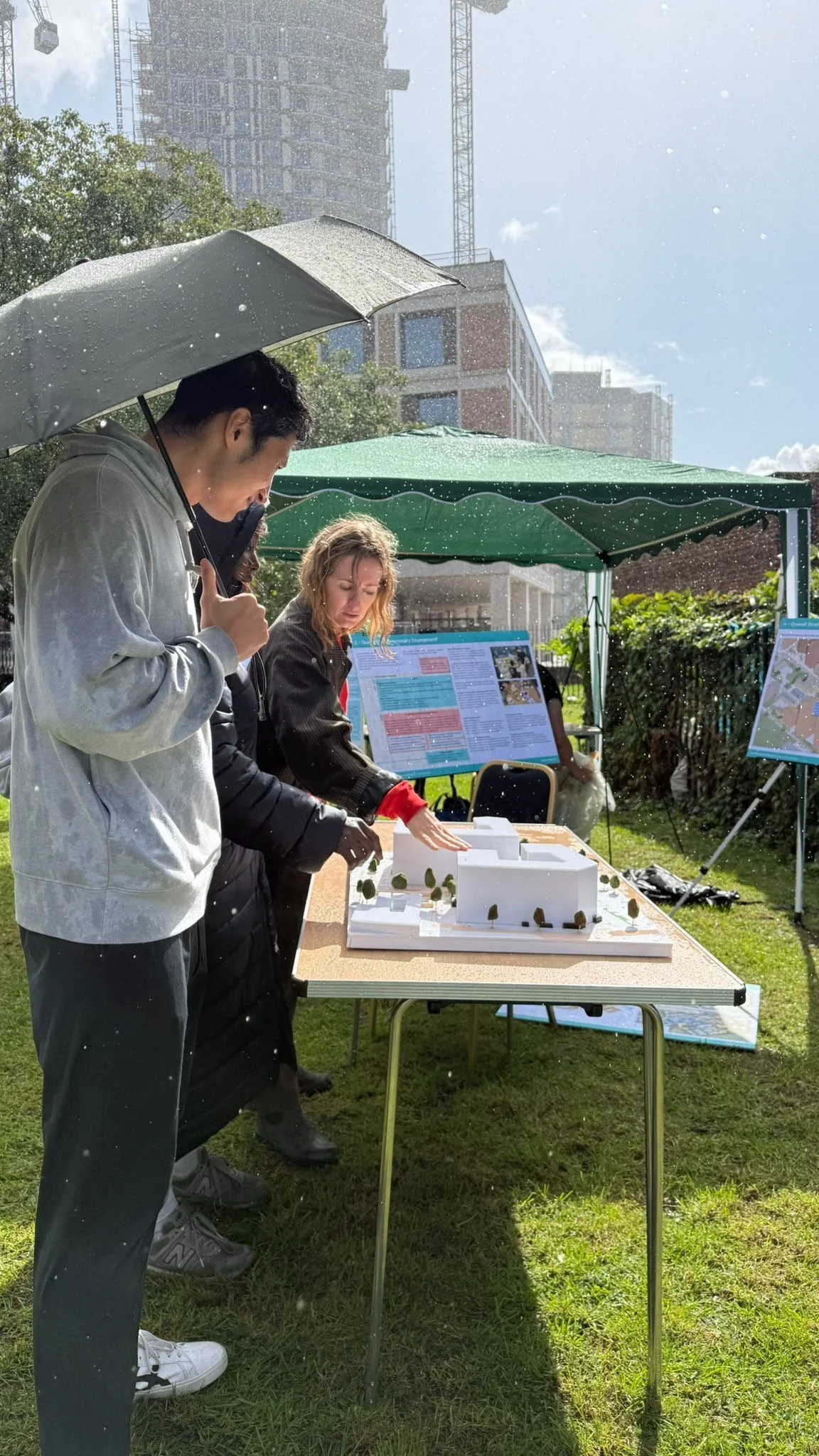
New Practice led stakeholder, resident group and public engagement throughout the masterplan review and into Phase 4 delivery. Working within a complex and sensitive context, engagement focused on building trust, communicating clearly, and ensuring resident priorities influenced both strategic decisions and detailed design.
The estate includes social rent and temporary accommodation, with residents at different stages of relocation or long-term occupation. Engagement was carefully structured to reflect this, acknowledging differing experiences of the regeneration process and varying levels of confidence in it. From the outset, we prioritised transparency, clearly setting out what could and could not change, and how decisions would be made.
At the early stages of the masterplan review, the team explored whether existing 4–6 storey blocks could be retained and adapted. This was a critical issue for residents, with clear implications for disruption and rehousing. We worked closely with the design and engineering team to translate technical constraints into accessible information, supporting informed discussion around reuse and redevelopment. By openly testing options and explaining the limitations, we helped ensure decisions were understood and not perceived as predetermined.
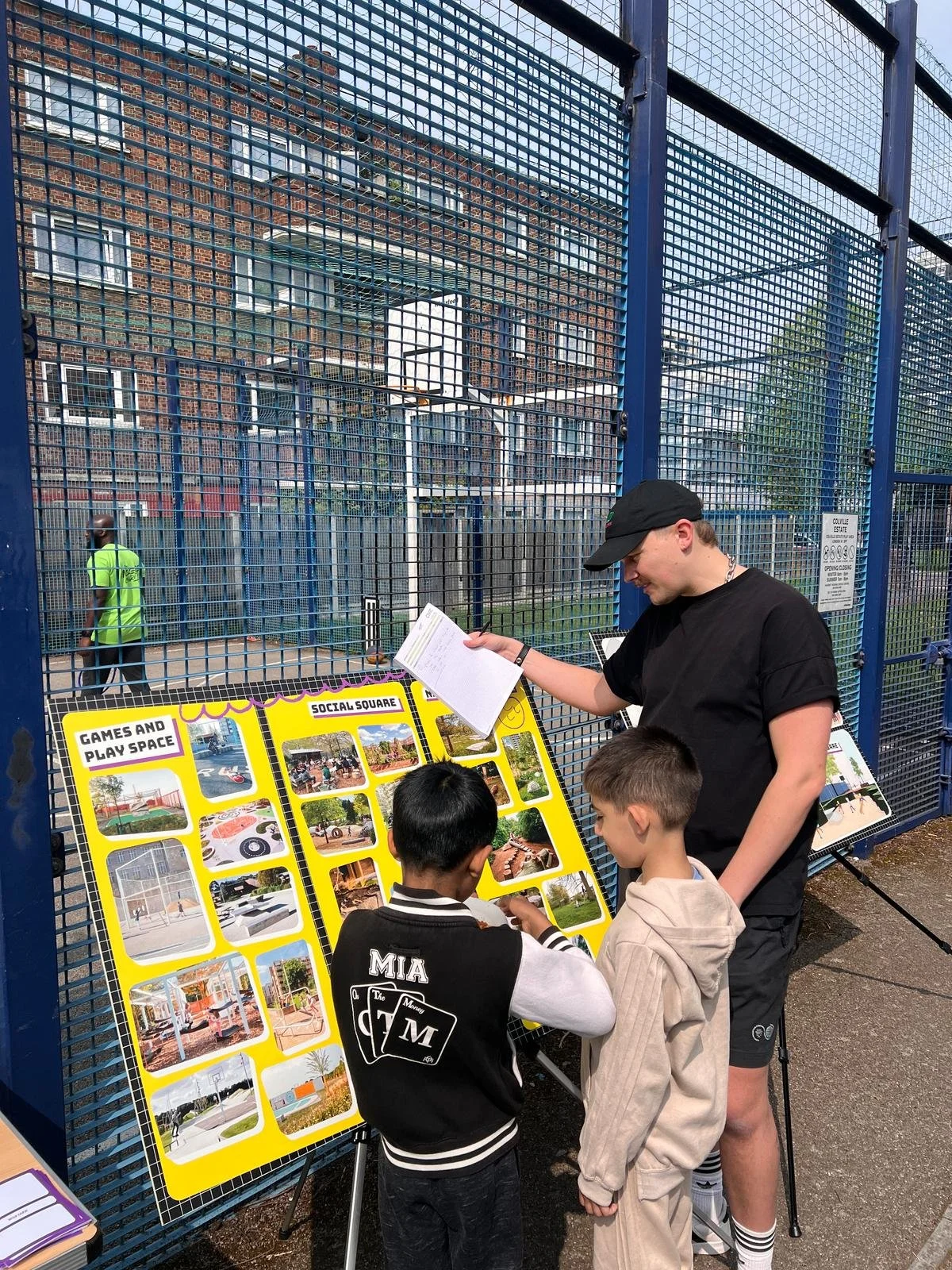
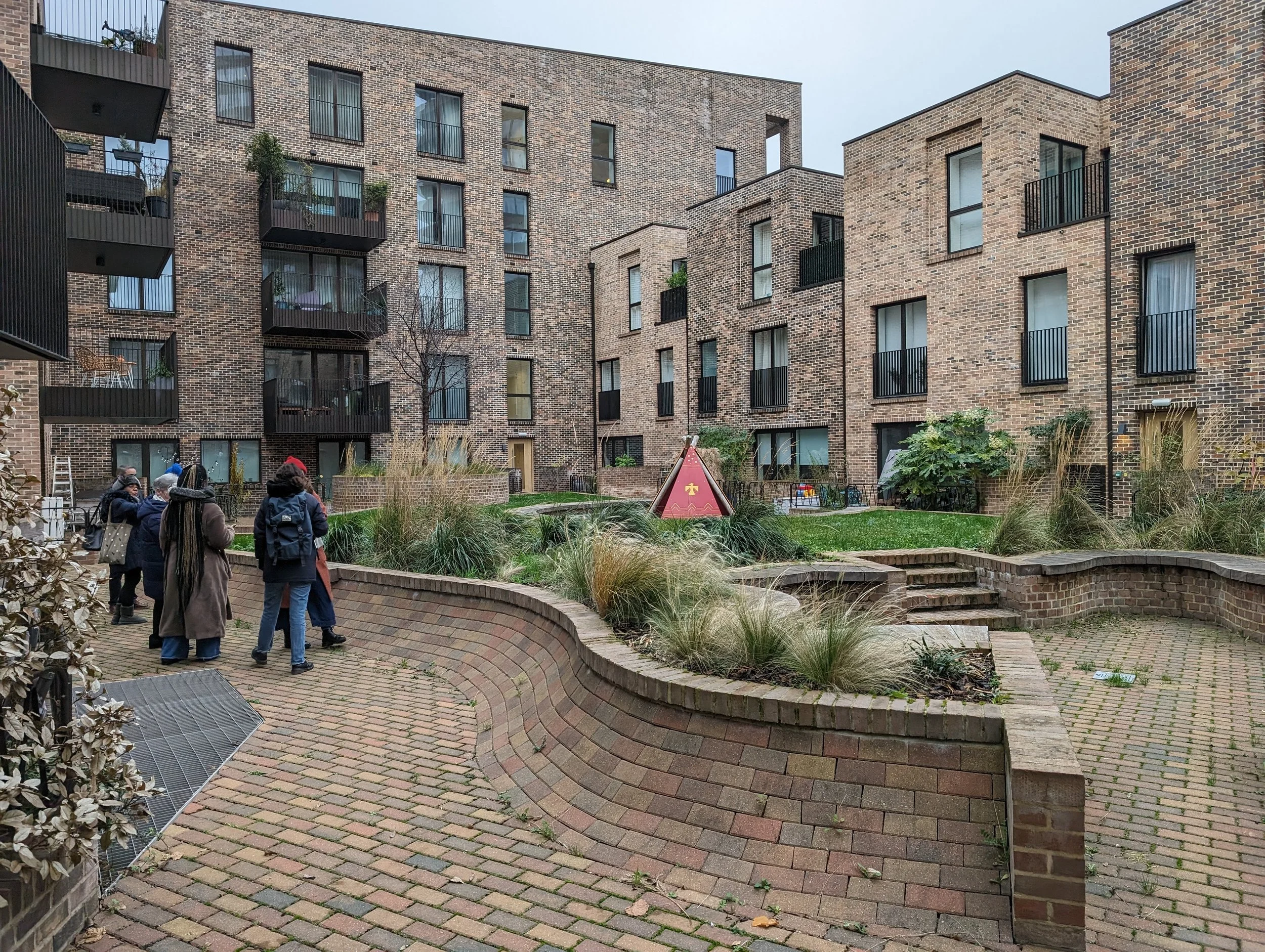
As the project progressed into delivery, engagement shifted towards everyday experience and the future character of the neighbourhood. Workshops explored building layouts, courtyard design and landscape strategy, alongside concerns around safety, access and use. Particular attention was given to how women and young people experience the estate, informing design approaches to lighting, entrances, circulation and overlooked space.
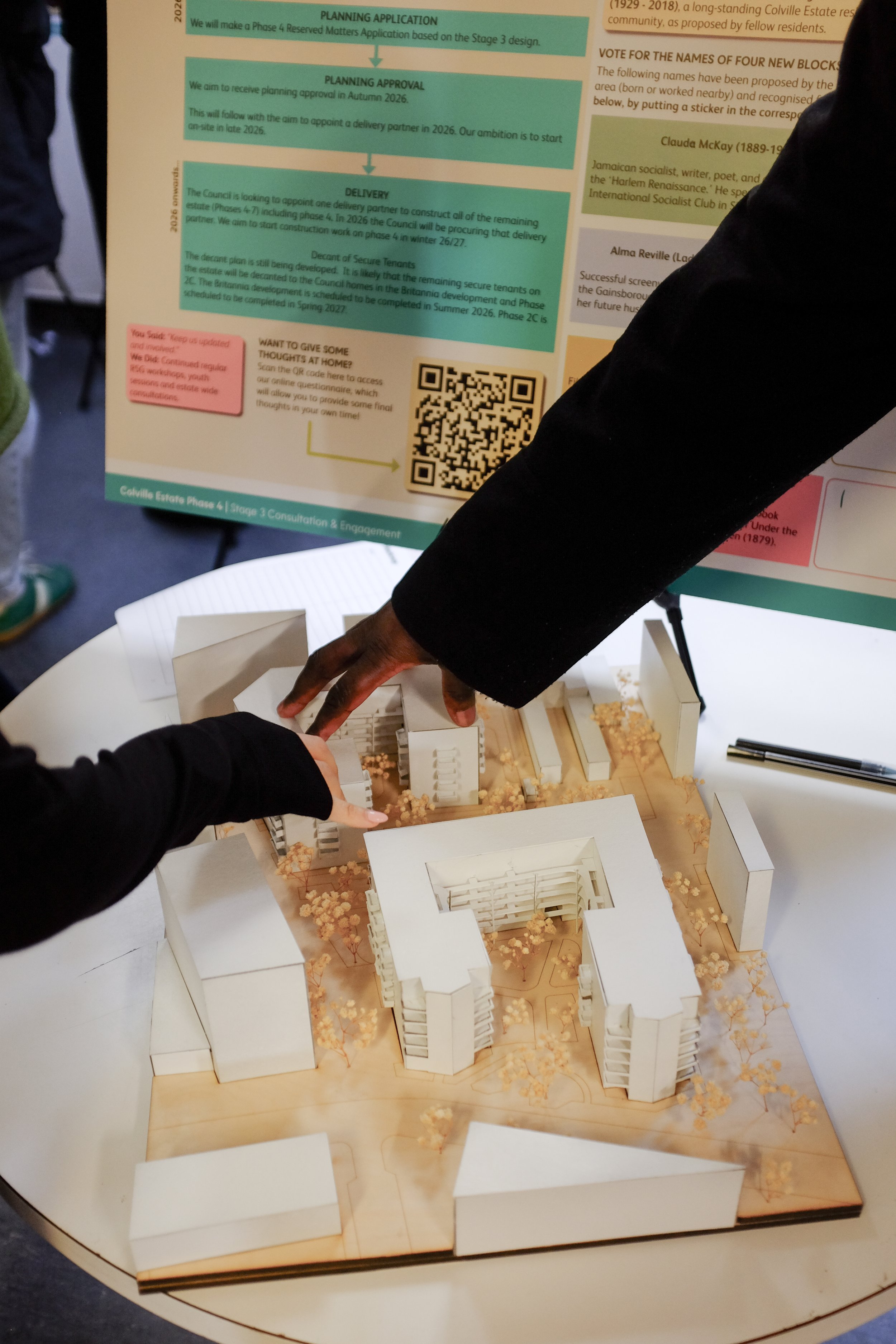
The project is shaped by ambitious environmental targets, including Passivhaus design, alongside significant structural constraints related to the site. We worked with the wider team to communicate how these factors influenced building form, density and phasing, ensuring residents could understand the relationship between sustainability ambitions and design outcomes.
Throughout, engagement was structured around clear decision points, with regular feedback and updates demonstrating how input was being used. This approach helped manage consultation fatigue within a long-running regeneration, while providing a transparent audit trail for decision-making.
Phase 4 delivers two new residential buildings alongside improved public realm, integrating sustainable drainage, landscape and new shared spaces. The proposals reflect both technical requirements and the priorities raised through engagement, with a focus on safety, continuity and long-term usability.