
Online Survey
Please only utilise the paper survey if an online survey is not accessible to you.
Link for Sharing: https://navertohalladale.paperform.co
This survey needs to gather a lot of information for us to do our work well, so it will take about 20-30 minutes to complete. If you don’t feel you have time now to begin, please come back to it at your leisure.
The survey has now been extended and will remain open until Monday 2nd November 2026.
Before taking the survey, please take a few minutes to read the information and FAQs on this webpage to familiarise yourself with the project's scope and purpose.
As well as the post-cards and mini surveys that are being dropped to every postal address, an in-depth online survey has now launched, which is available here, and will be advertised locally.
You will also be able to access a paper-copy of the full survey from various drop-off points listed below:
Melvich Shop
Armadale Surgery
Bettyhill Telecentre
Block 01 Engagement: September 2026
Thank you for participating!
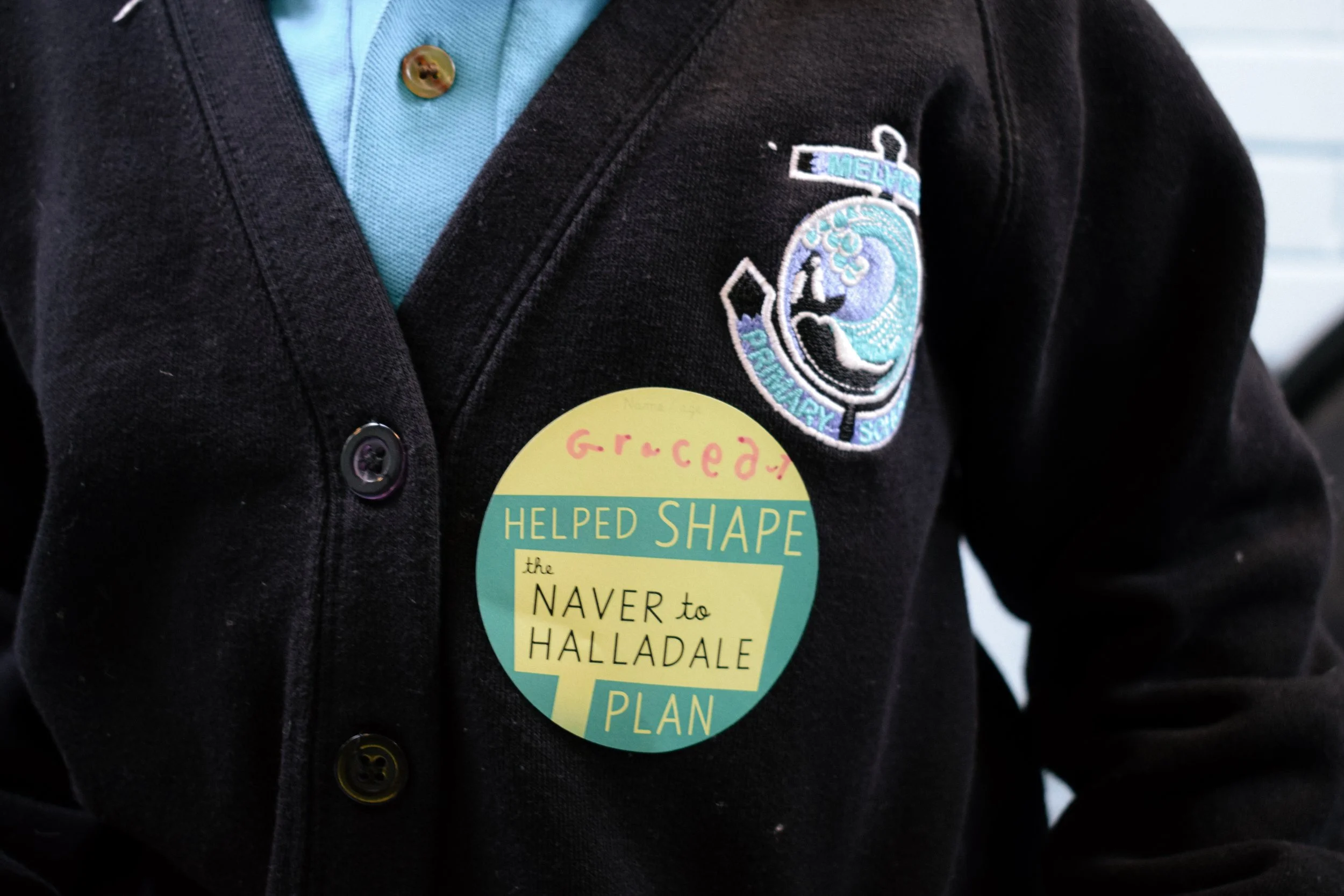
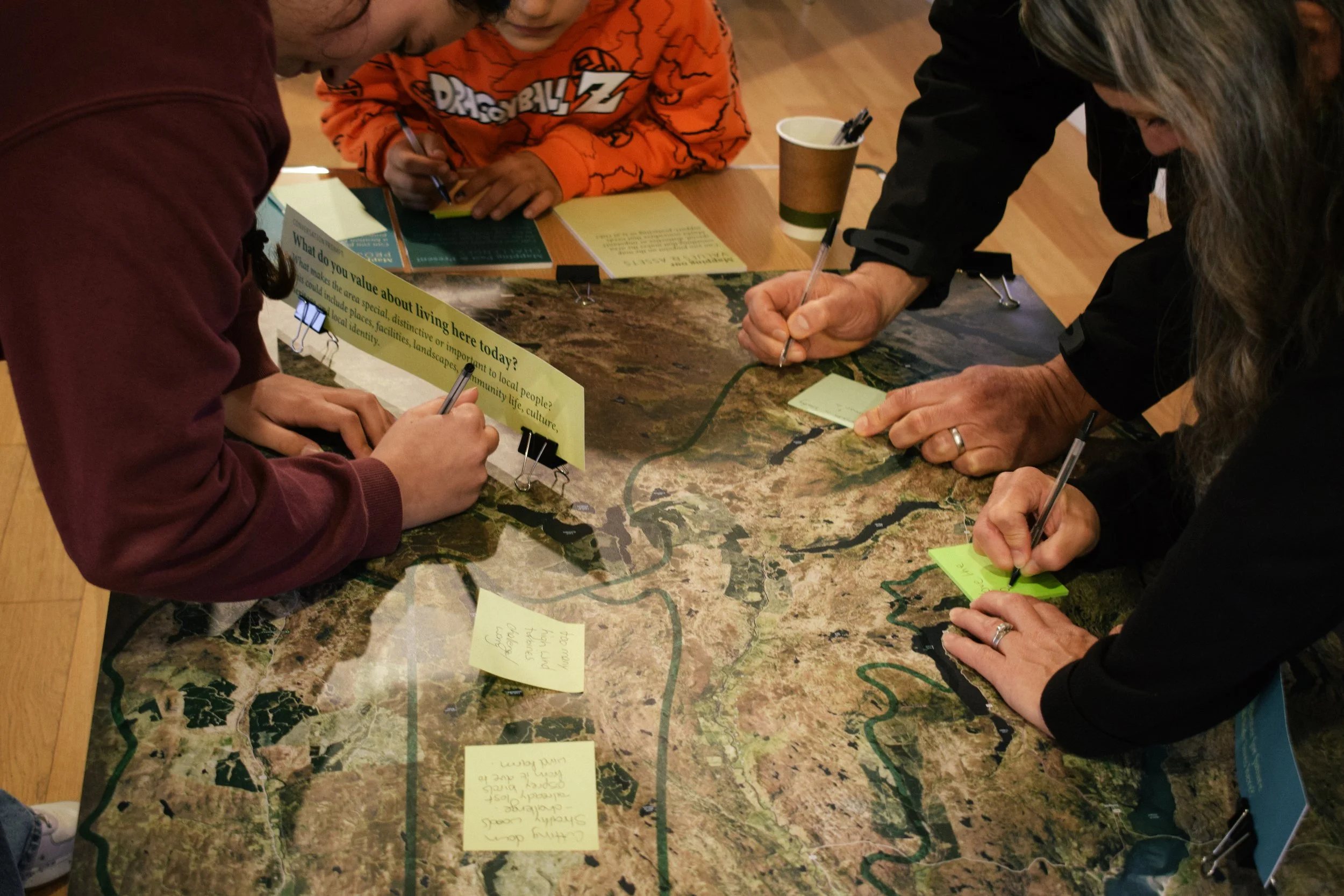
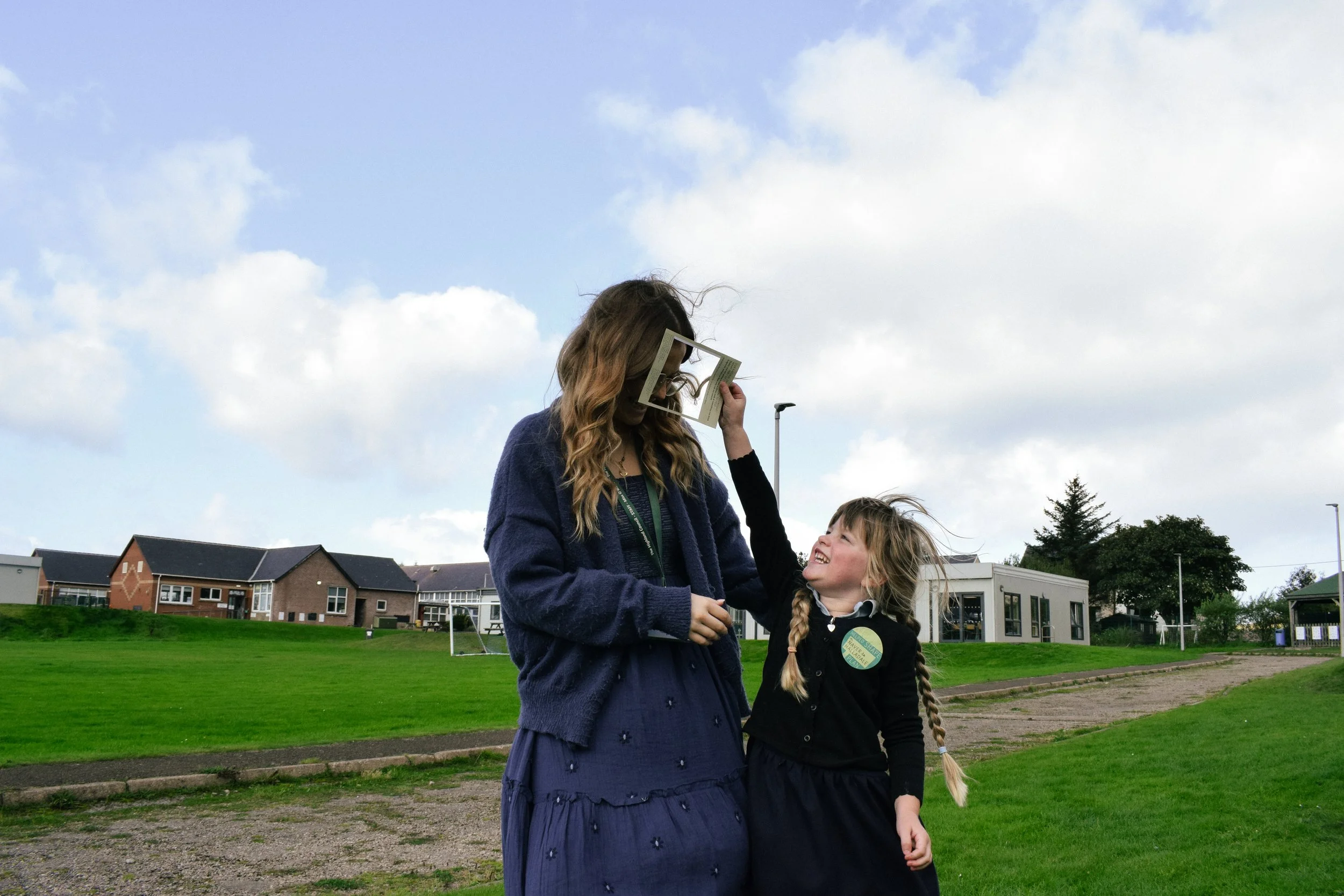
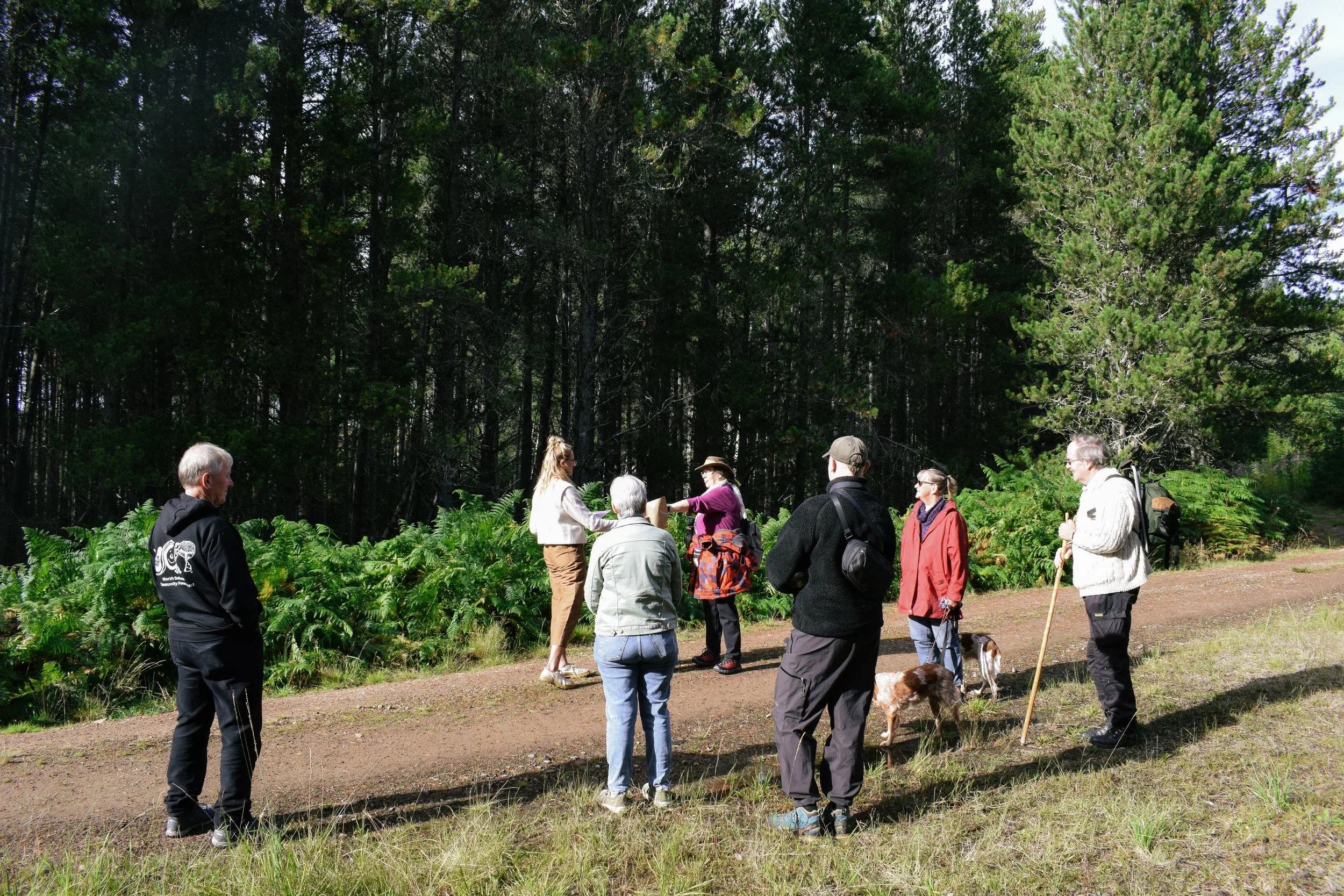
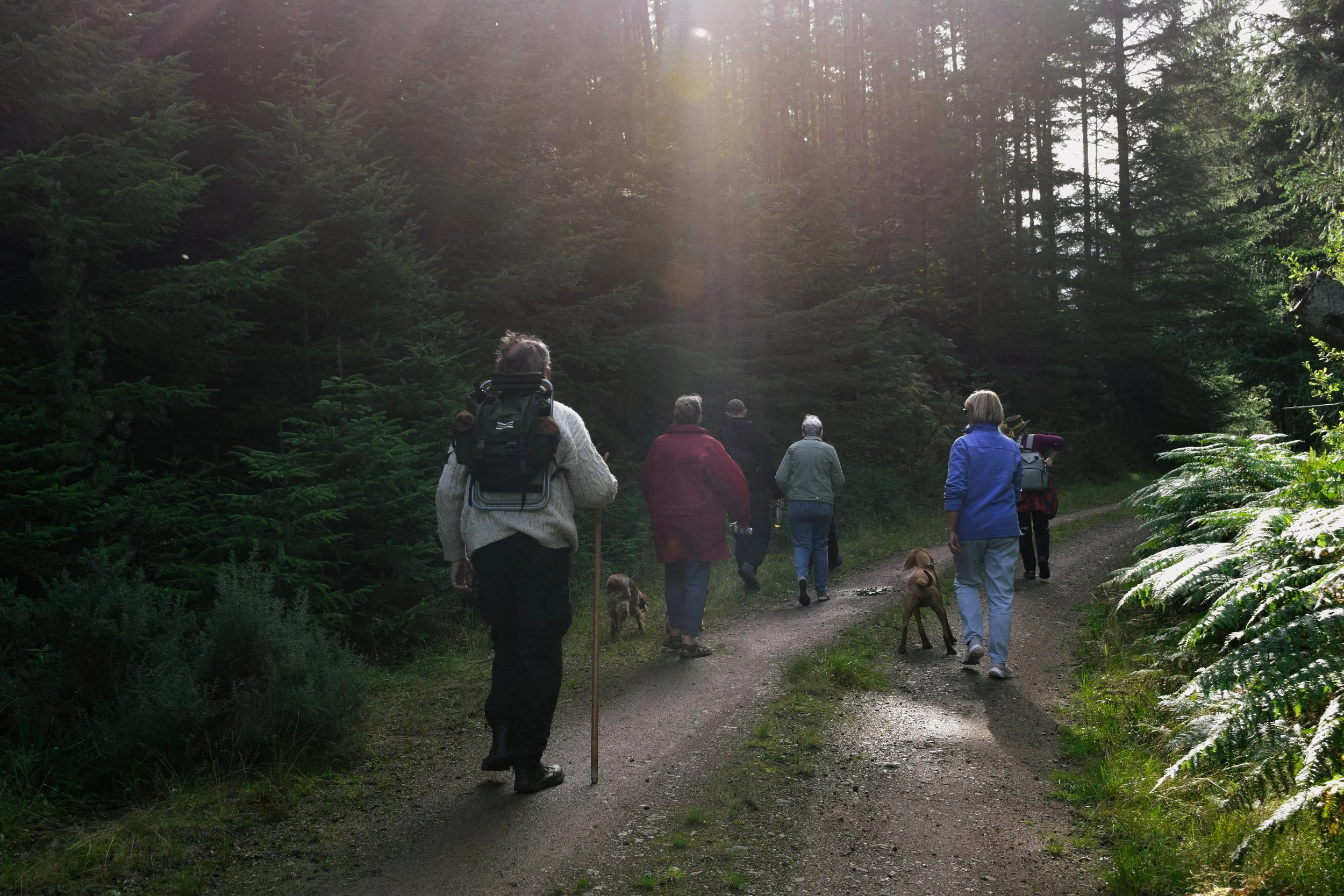
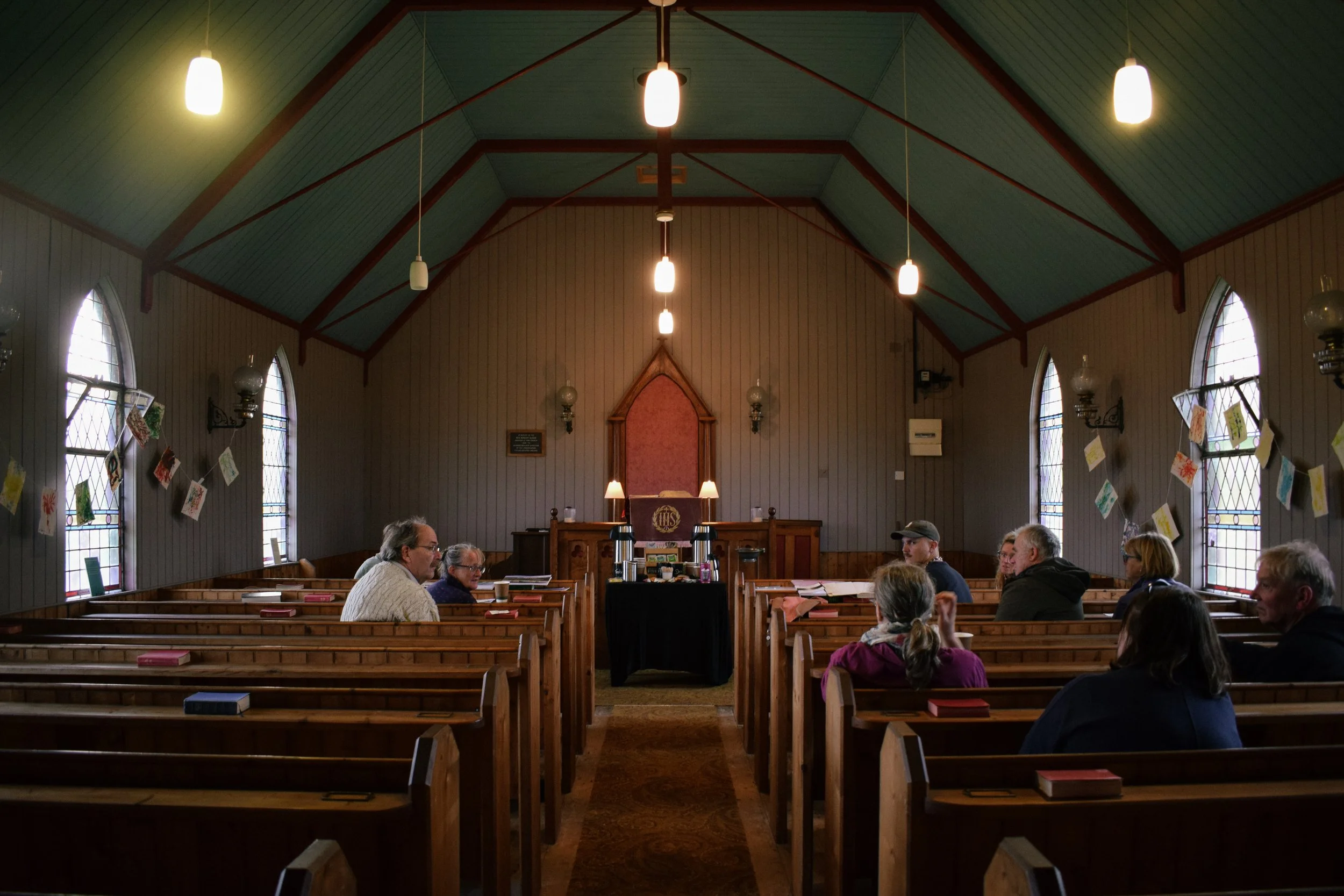
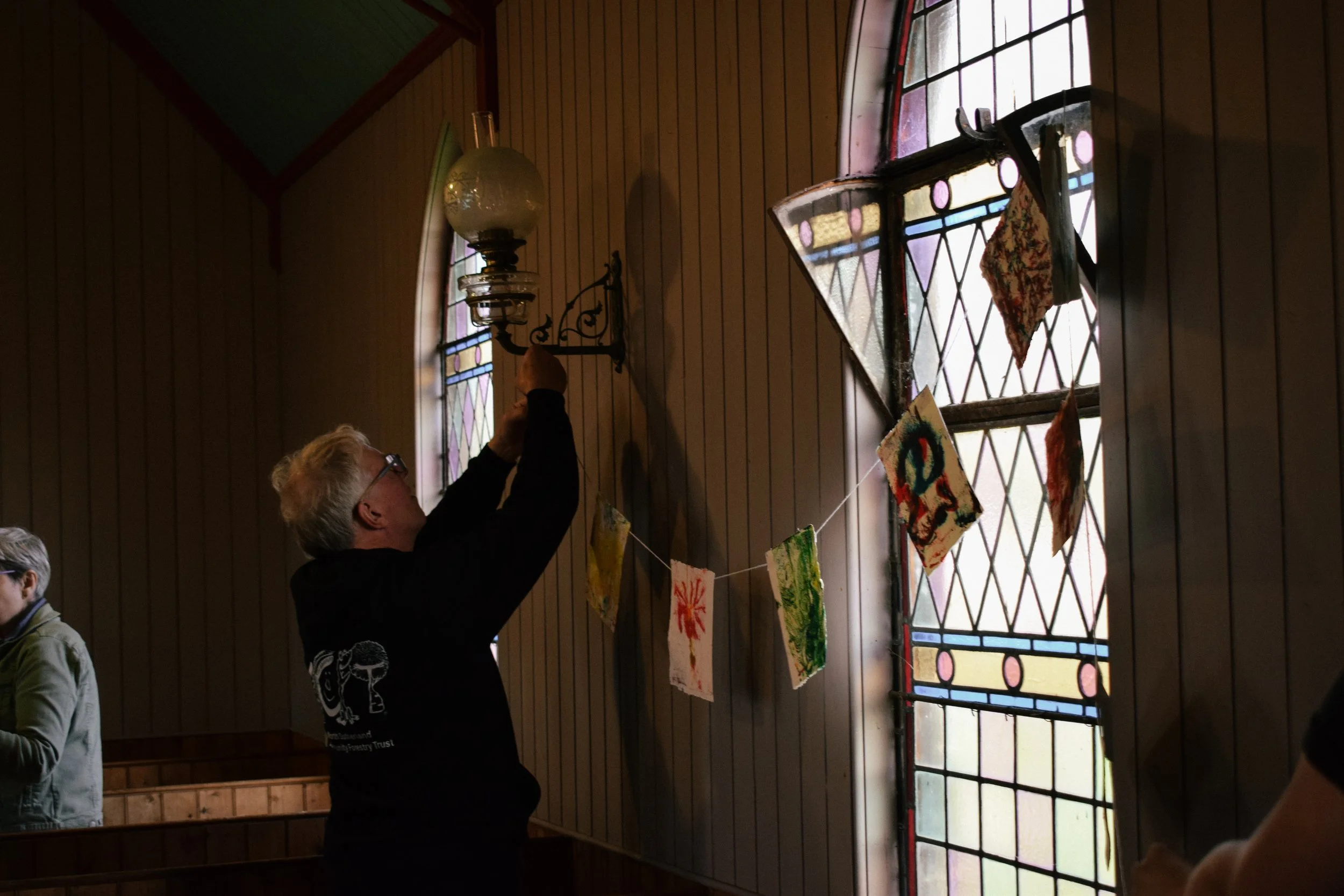
The first engagement week for Naver to Halladale was a great success. Over a busy week of activities, the New Practice team met with a wide range of residents, community groups and stakeholders, gathering valuable insight that will help shape the next stage of the project.
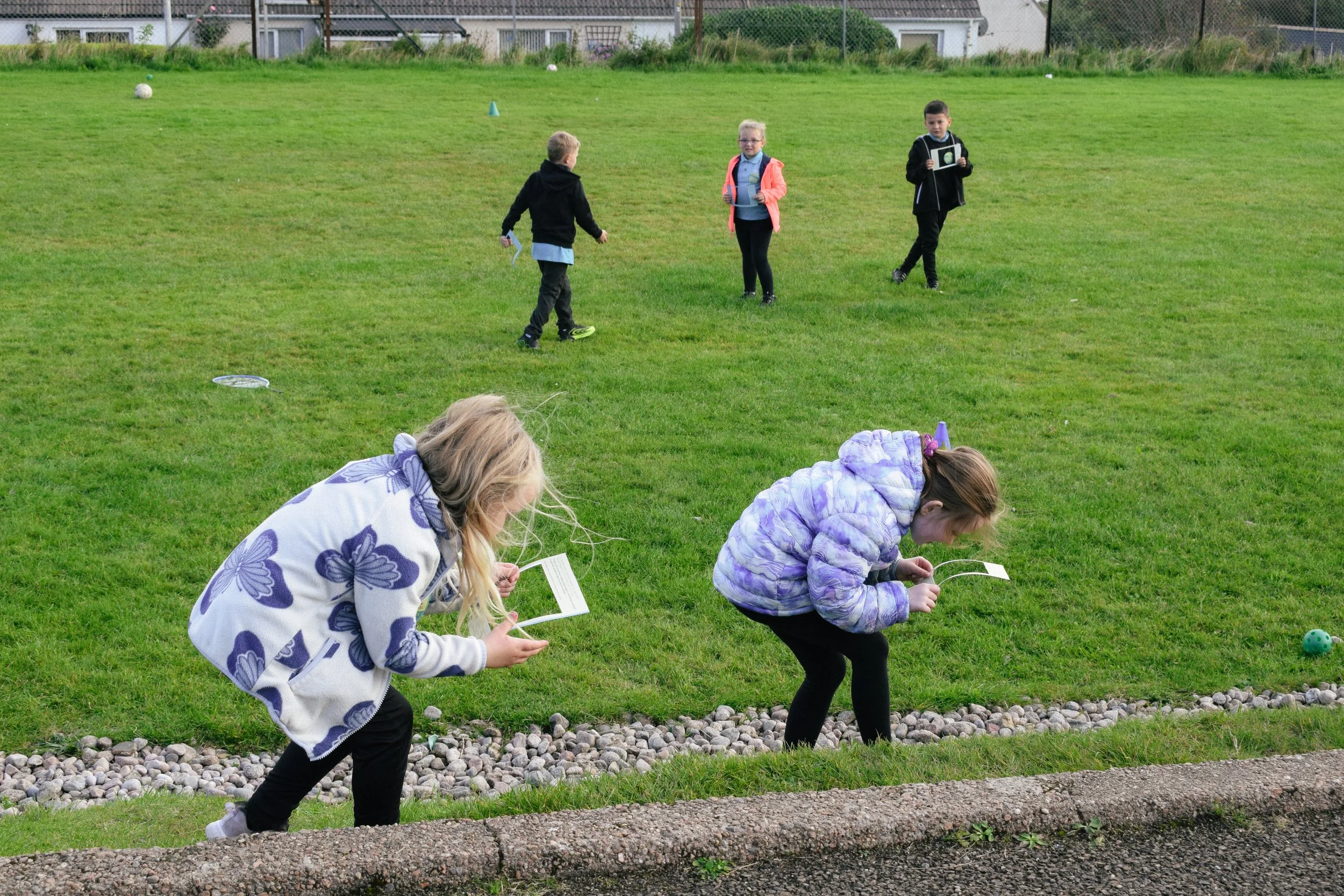
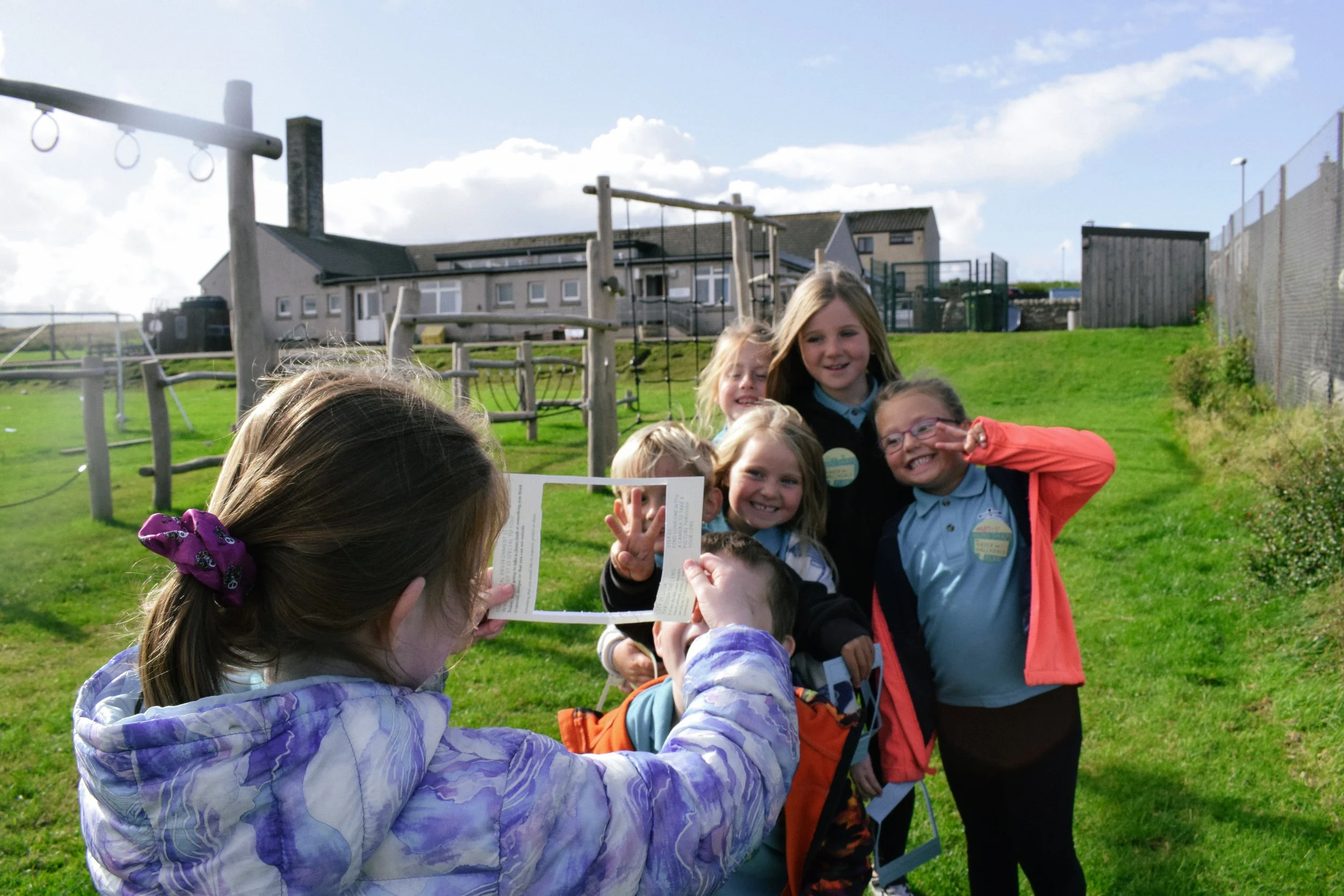
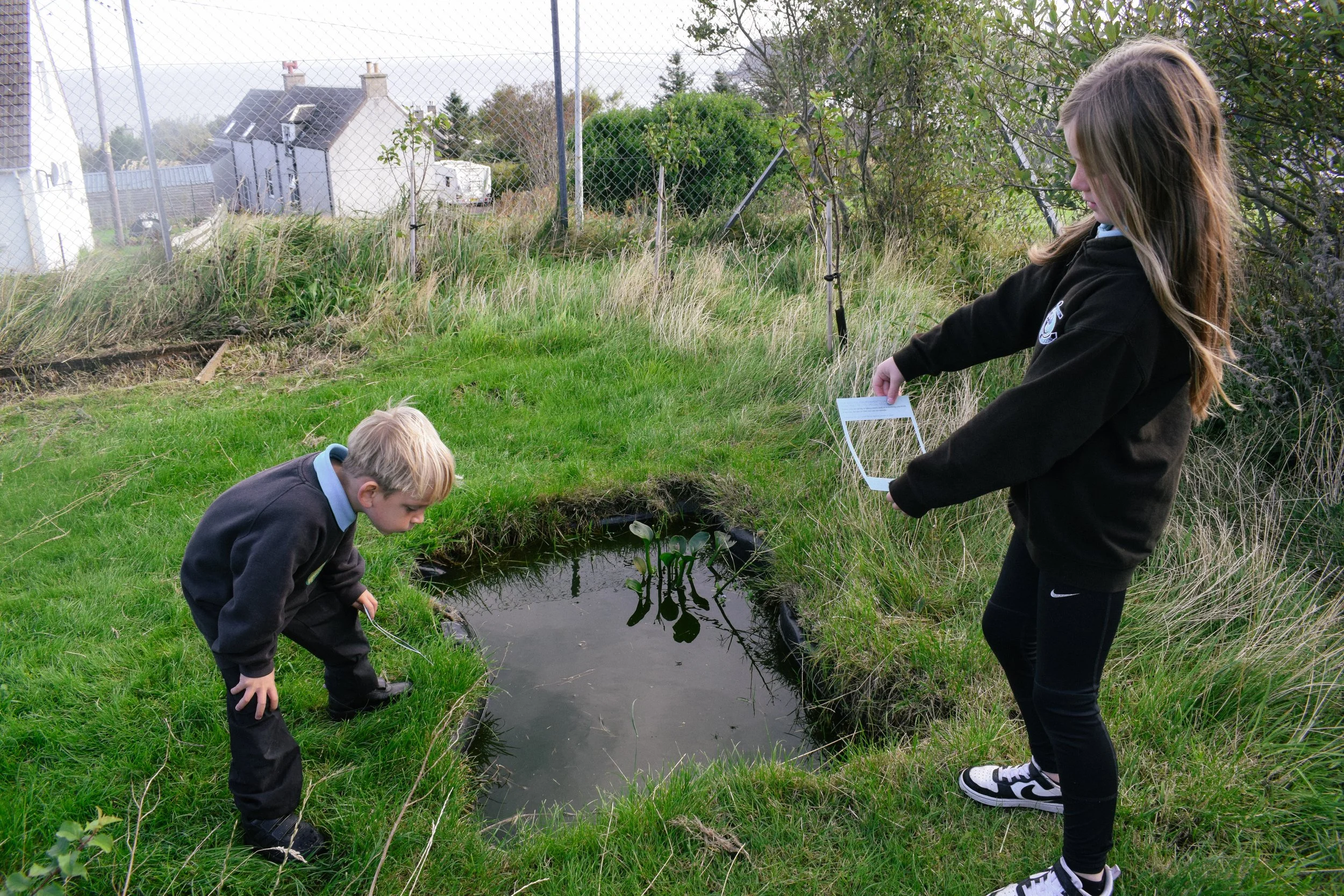
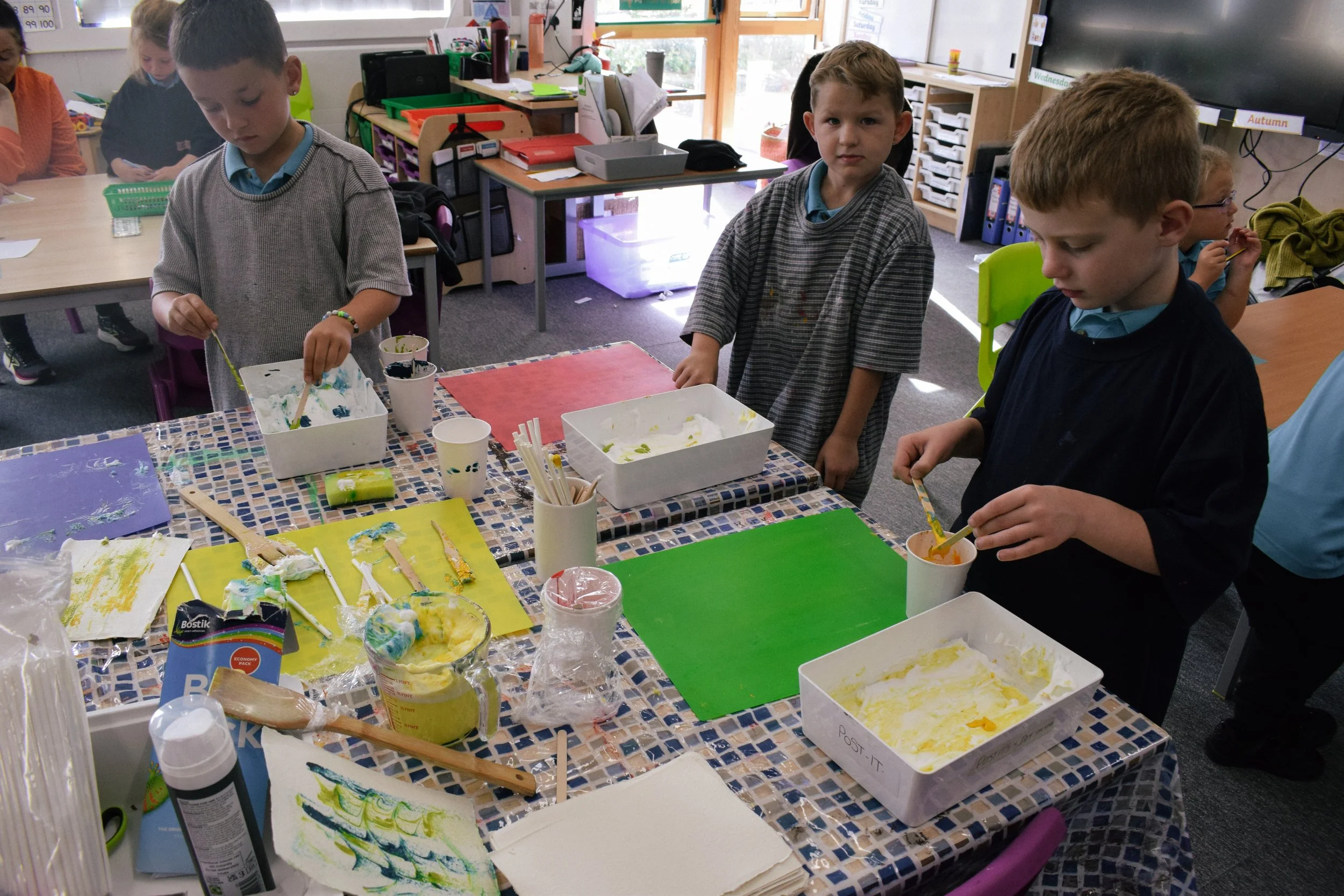
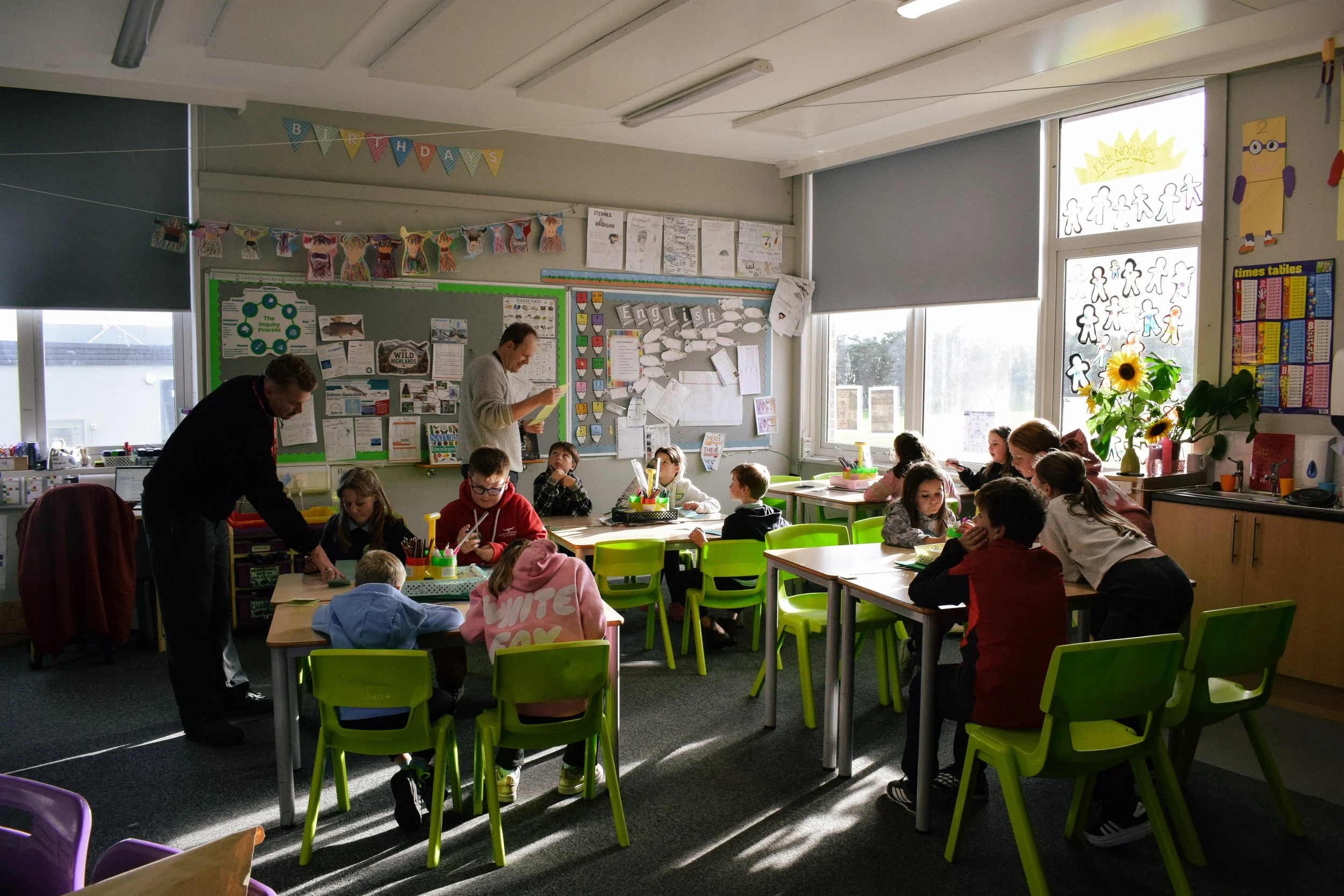
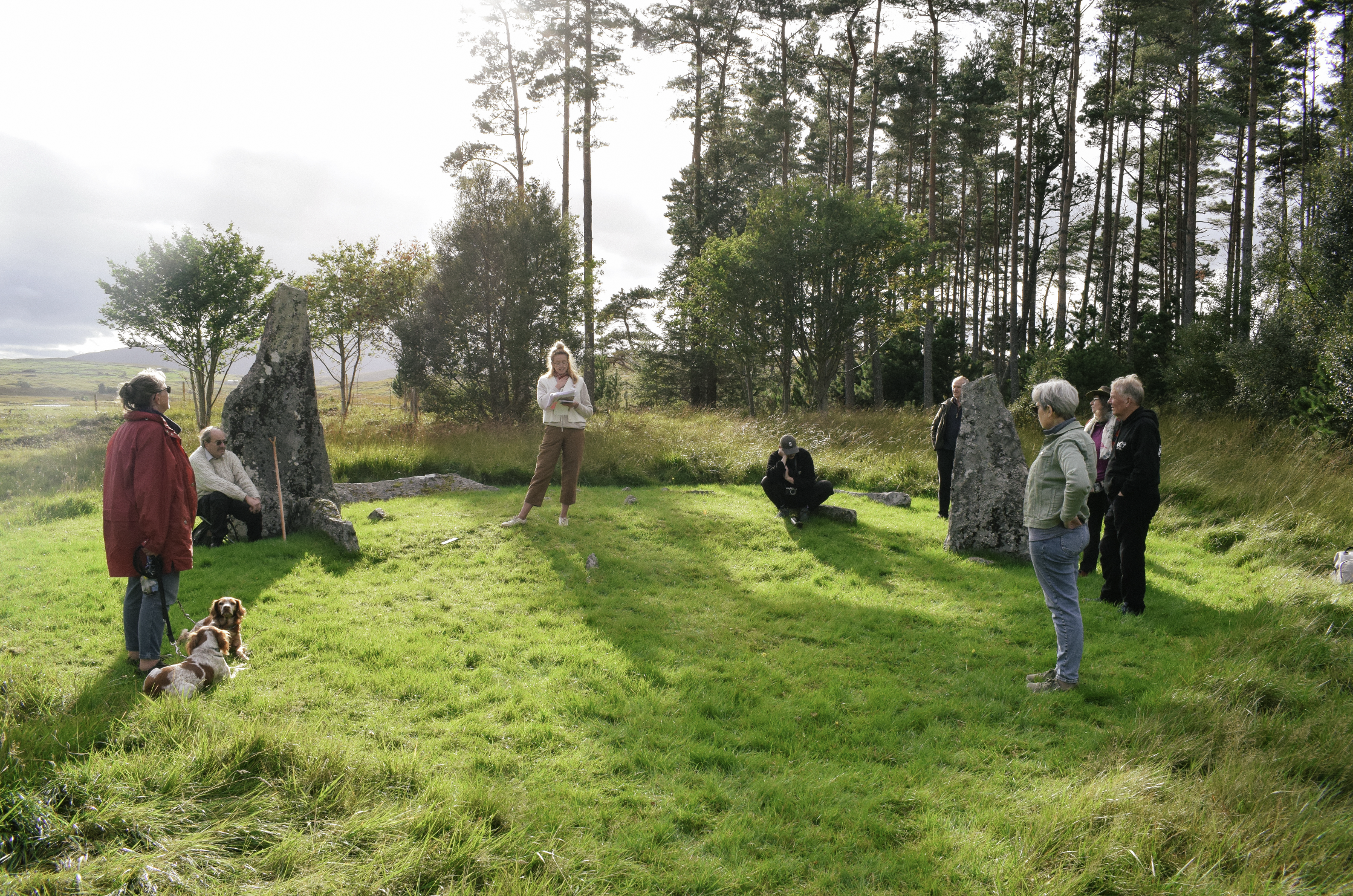
Engagement took place across all three Community Council areas, with sessions held at Melvich Hotel, Armadale Hall, Bettyhill Hall, Syre Church, Clach an Rìgh Stone Circle, Melvich Primary School and Farr Primary School.
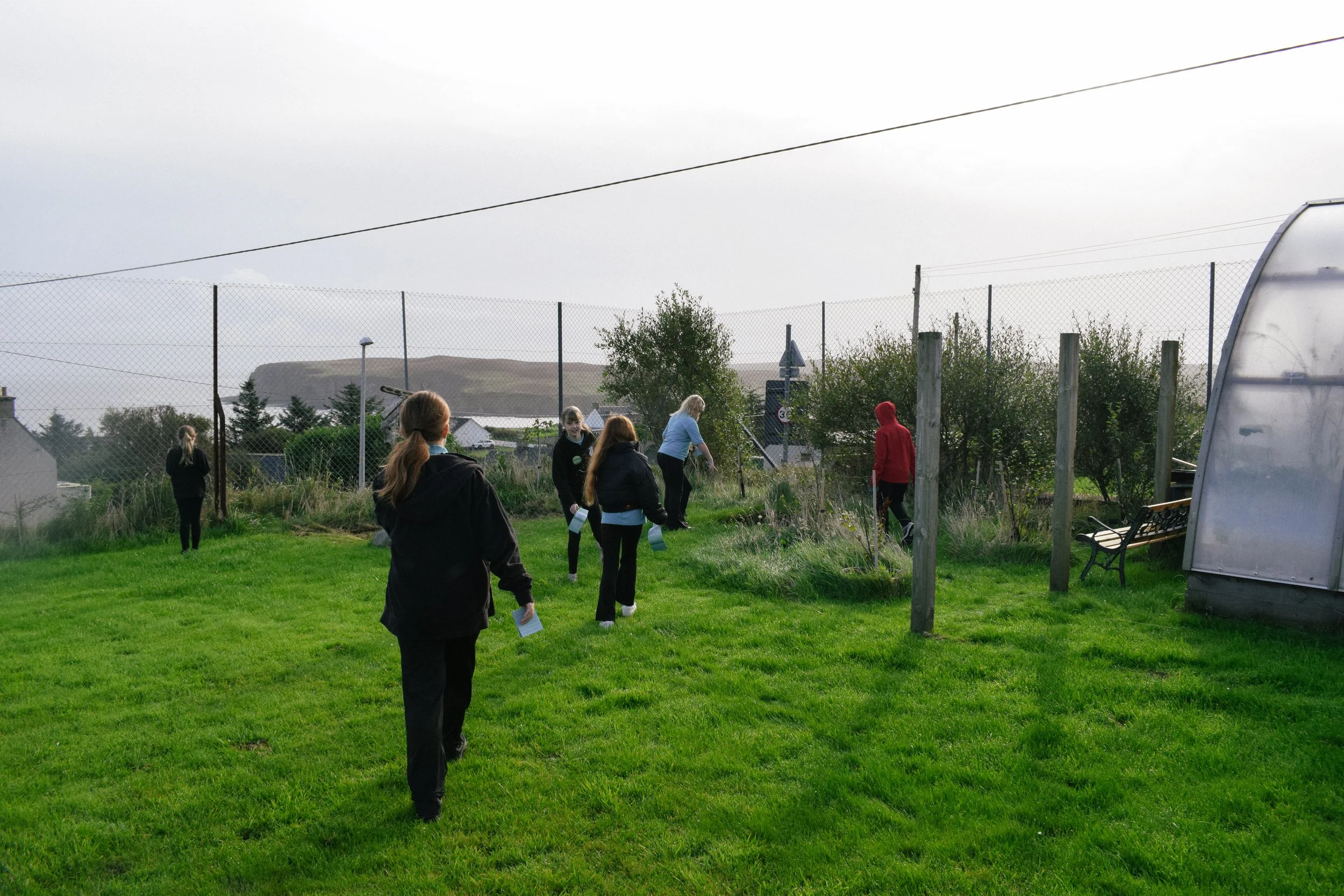
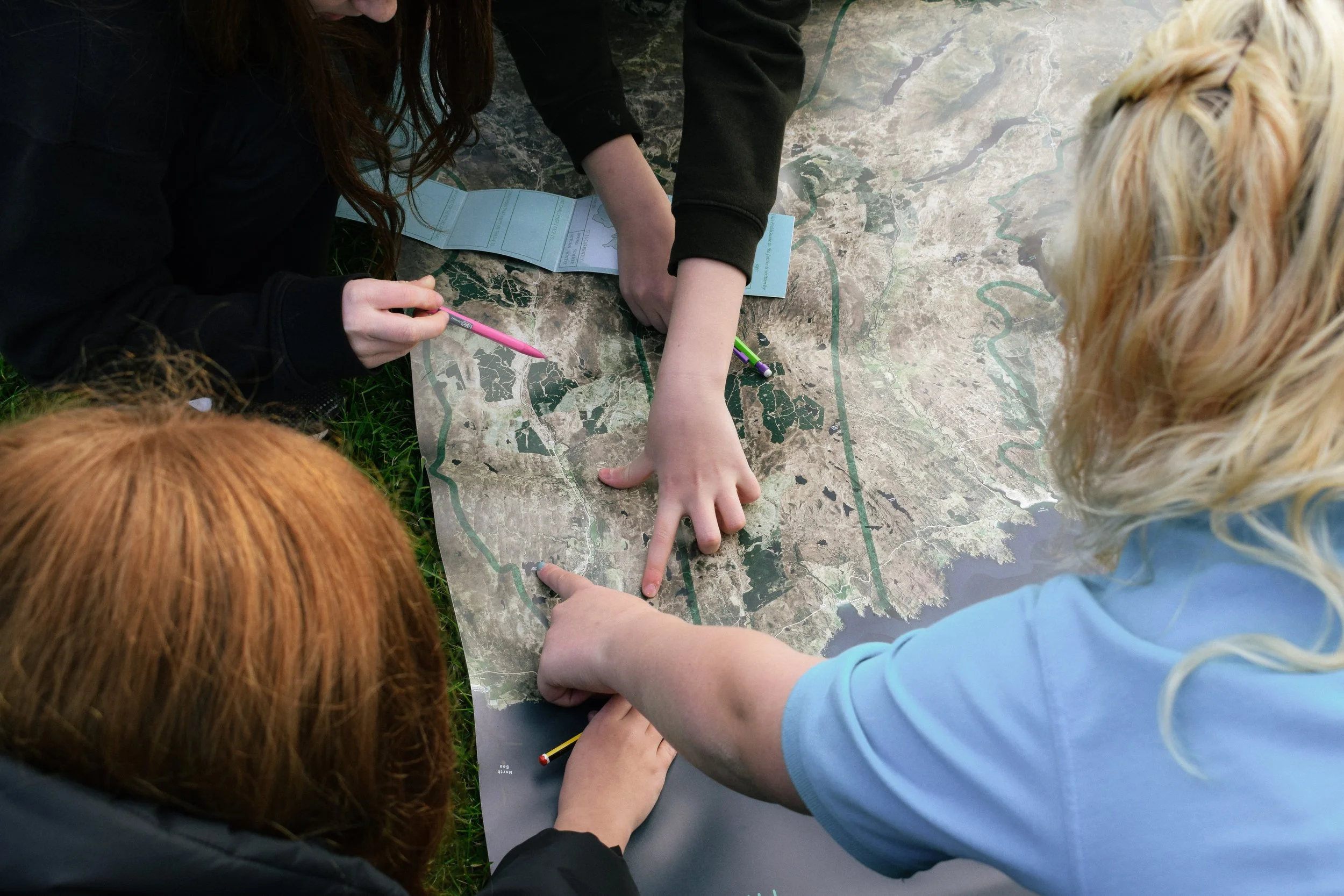
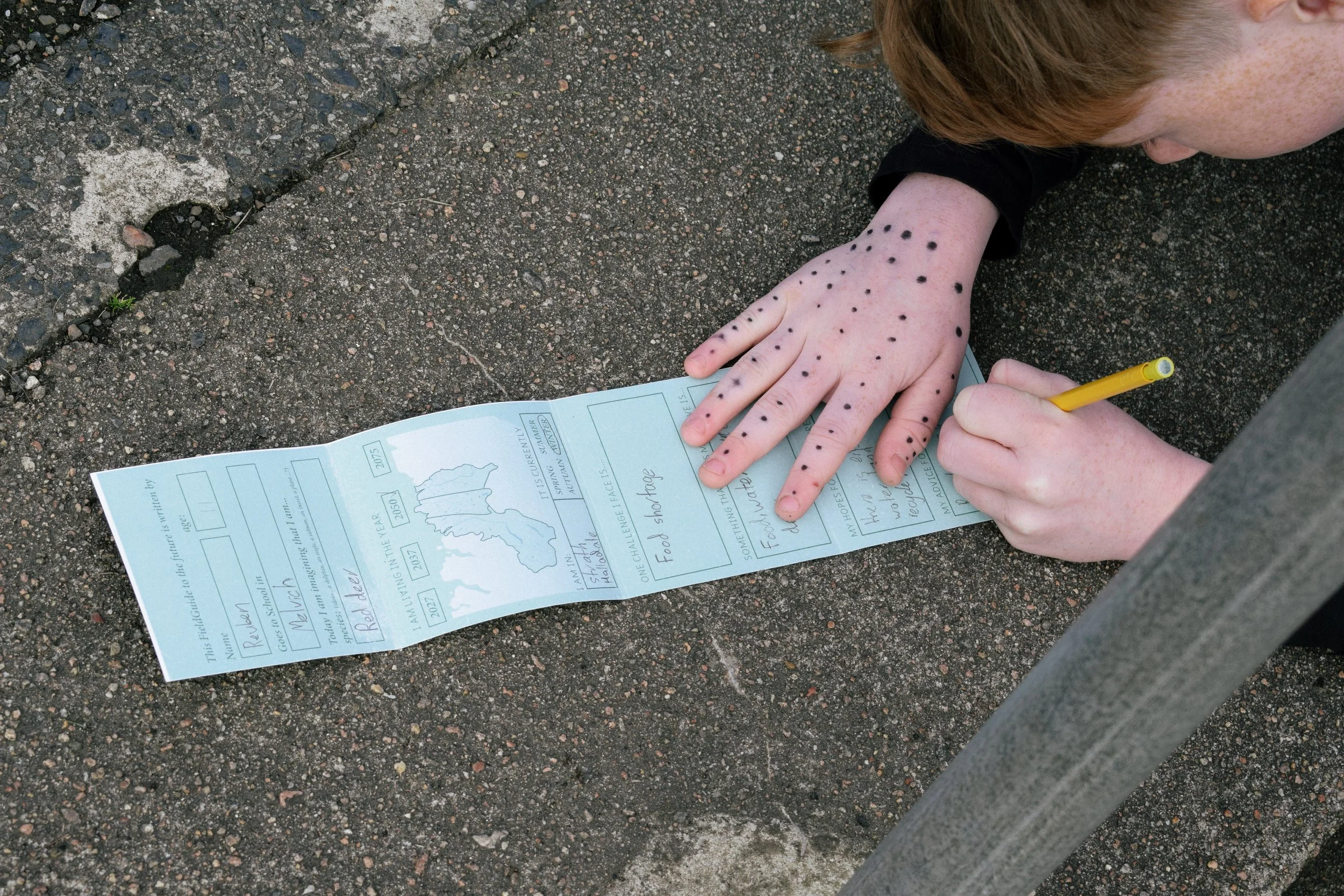
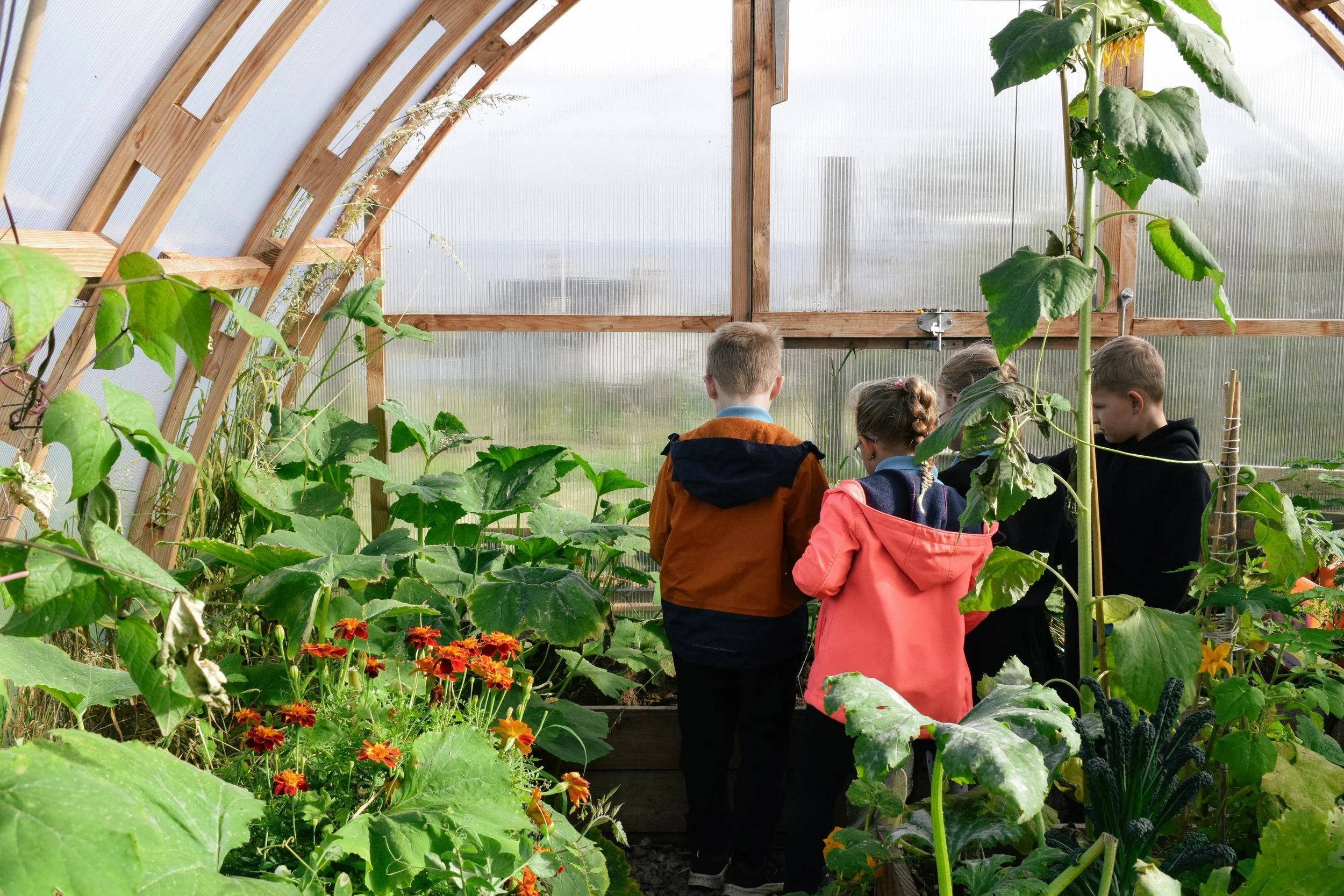
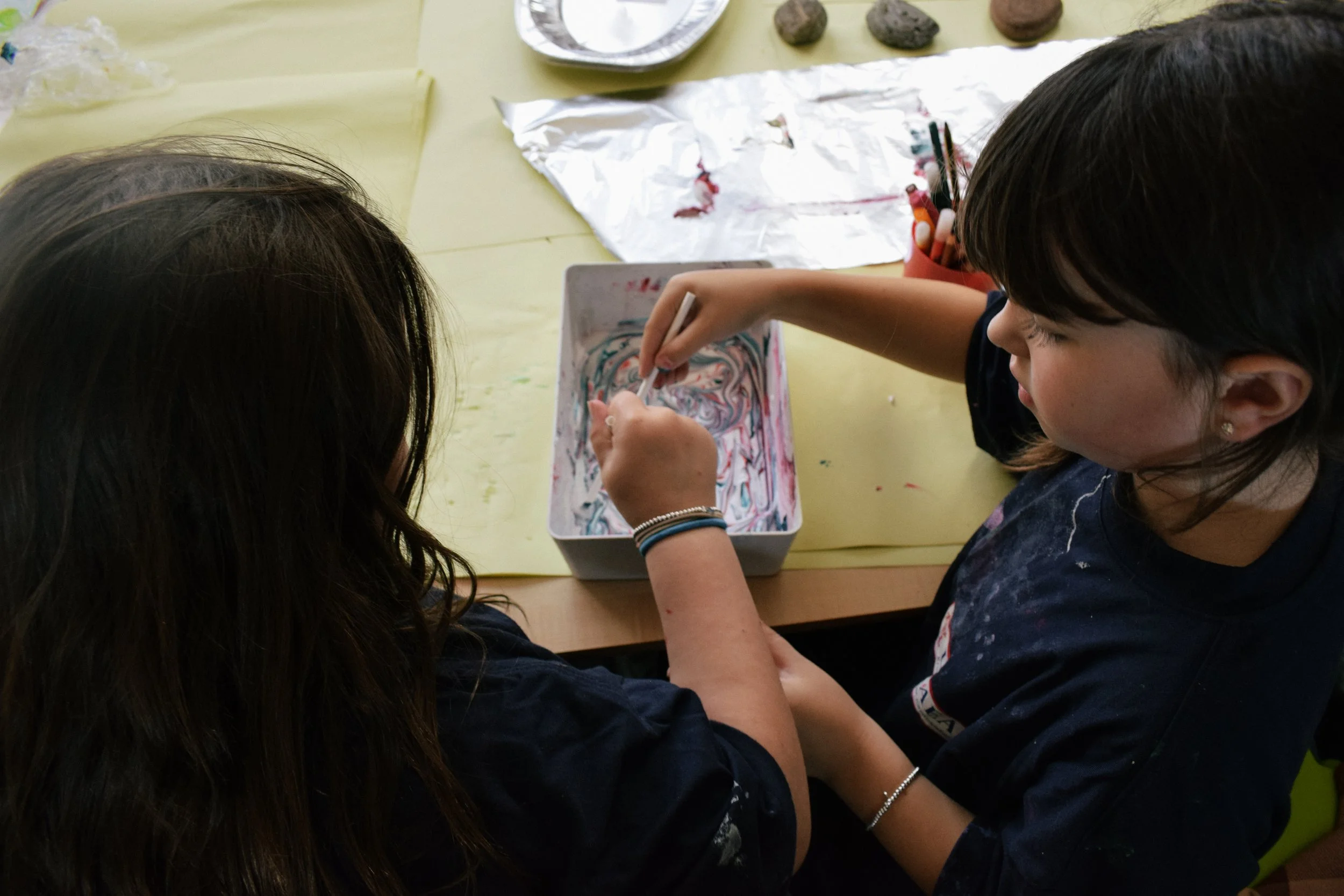
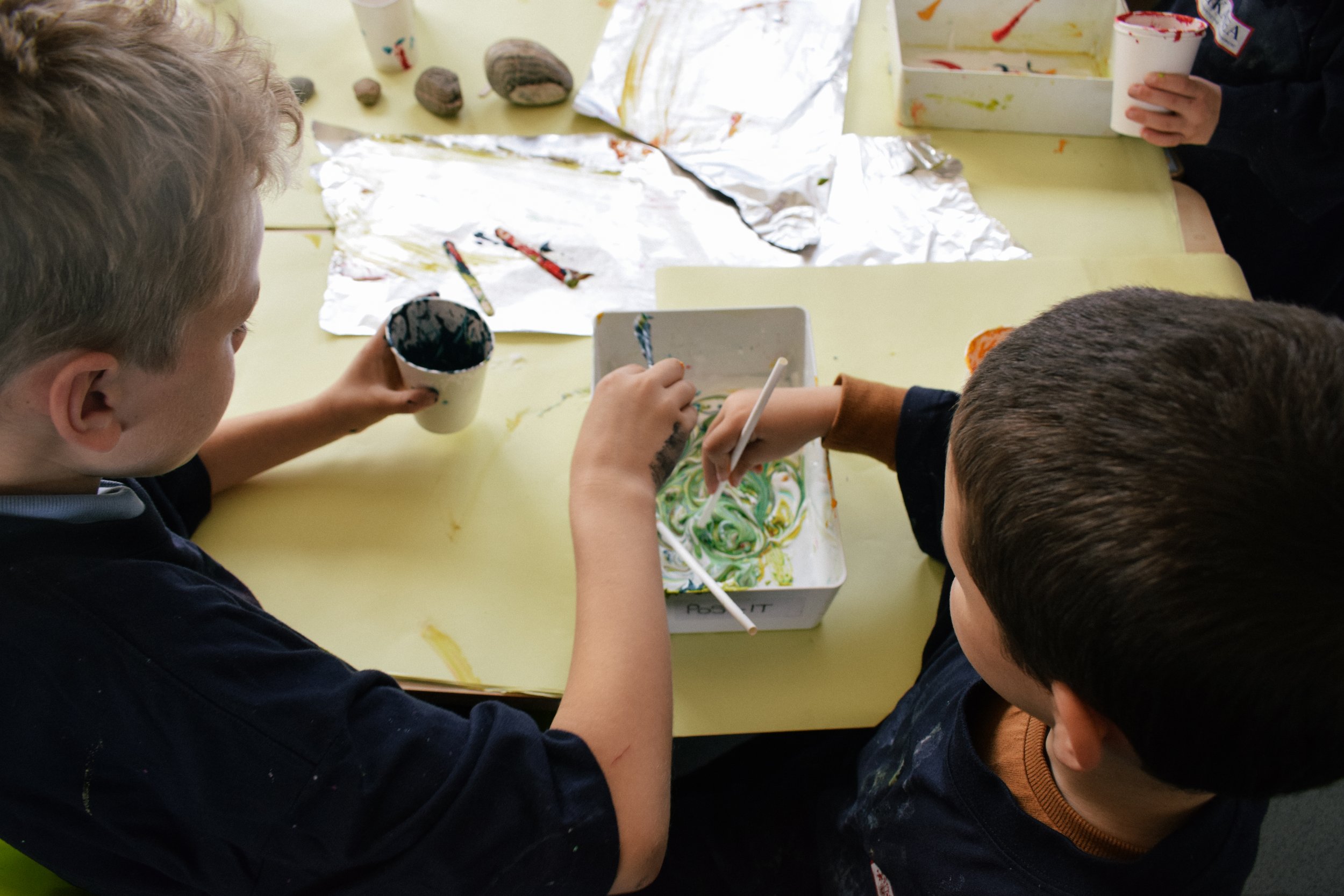
The school sessions were a particular highlight. We were struck by the enthusiasm, creativity and local knowledge of both pupils and staff. Together, we explored future possibilities through two creative activities: Lens to the Future and Field Guide to the Future, generating a wealth of ideas that will help inform the Community Development Plan and Local Place Plan.
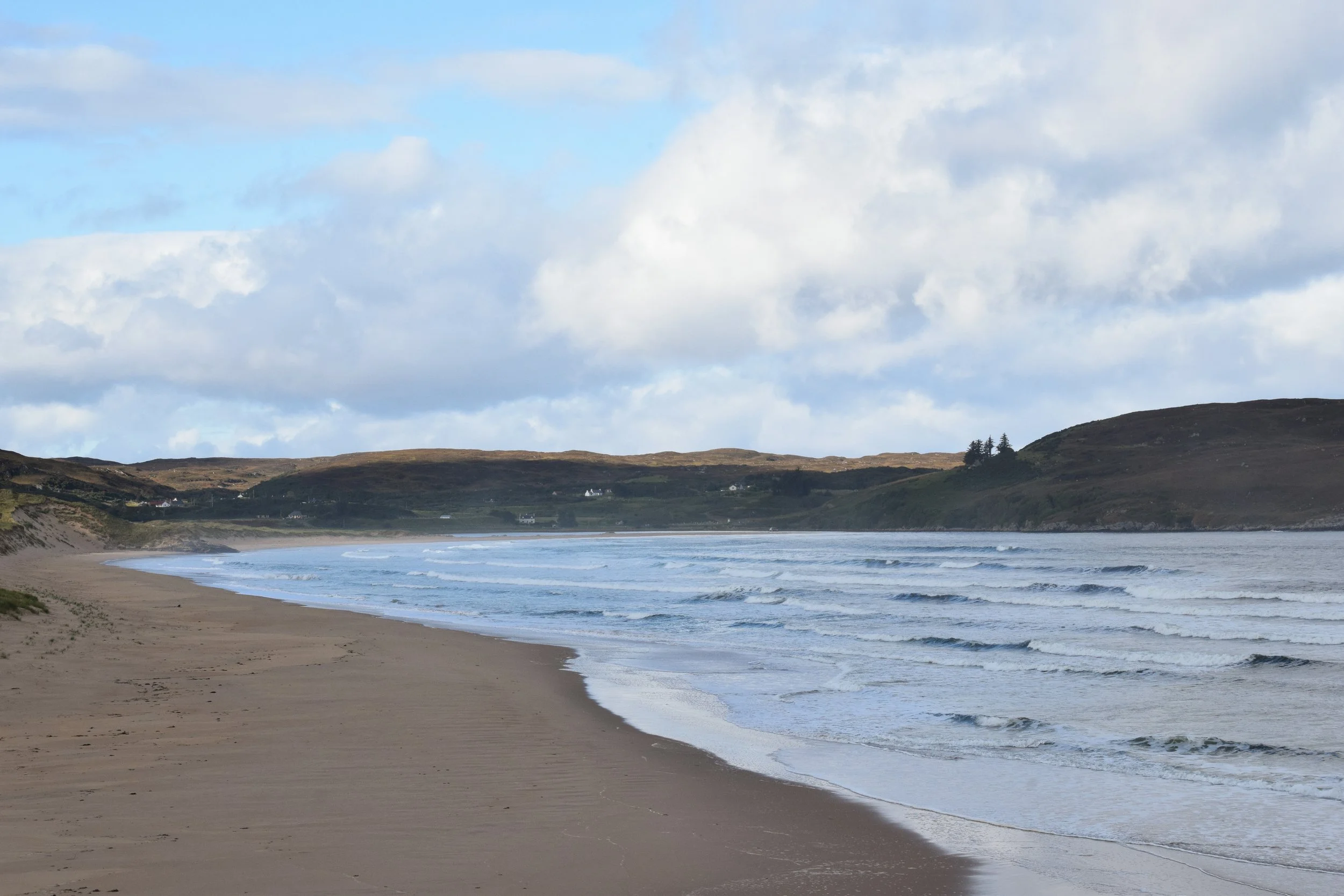
The Hopeful Futures Walk, co-led with local artist Nadine Malcolm, helped us explore the cultural, historical and landscape connections that shape life across the area, while also prompting conversations about hopes and aspirations for the future.
Alongside the public events, we met with a number of key stakeholders and had many informal conversations with local business owners, teachers, community representatives and residents throughout the week.
We would like to say a huge thank you to everyone who took part, shared their time, and contributed their thoughts and ideas.
There is still time to get involved. If you would like to contribute to the project, please contact:
freya.macleod@new-practice.co.uk
You can also complete the project survey and follow future engagement opportunities through this website.
What is the project?
Naver to Halladale is a community engagement project focussed on hearing from the local communities of three community council areas:
Bettyhill, Strathnaver and Altnaharra
Strathy and Armadale
Melvich
Through this community engagement, we are wanting to understand the opportunities and challenges of living in these large, diverse areas. Some of the questions we’re trying to answer include (but are not limited to):
What is the identity, culture and history of the different areas and their residents?
What is community life like? What makes it good, and what is it lacking?
What are the needs and future aspirations of the different local communities? What are the biggest hurdles to meeting or achieving these?
What does the future currently look like, and what could (or should) it look like?
What is the relationship to the local environment and land? How is it protected? How is it used, and how could (or should) it be used?
The answers to these questions are going to be used to help us create two separate, but interlinked, strategic documents for the three areas: a Local Place Plan (LPP) and a Community Development Plan (CDP). It is important that these documents are produced by the community and for the community, and that they do as well as they can to represent the different needs and wants from within these three areas.
The information we gather through community consultation will be used to not only define high level aspirations, but to create a series of potentially fundable projects and recommendations for future land use and development. The final outcome should be a duo of documents which not only lay out the diverse experiences, expectations and visions of local communities, but also provide these communities with a practical roadmap for delivering the projects which can help bring that vision closer to reality.
-
Local Place Plans (LPP) are documents that have been created by the Scottish Government to allow local communities to engage with the planning strategies for their local areas. These documents allow community groups (typically community councils) to create plans for their neighbourhoods, setting out their vision for the area’s future development. To be most useful, they need to be underpinned by good community consultation, and paint a robust picture of the area, and the aspirations of its local residents.
As a Local Place Plan’s role is to engage with the Planning system, their purpose is to indicate how a local community thinks land within its neighbourhood should be used and developed. To be adopted by a local authority, LPPs must outline not only why a recommendation is being made, but provide the basis for that recommendation within the relevant planning policies and strategies.
Once adopted by a local authority, a LPP is read alongside the Local Development Plan (you can read about what this is below) for the area, and any wider relevant planning strategies, to position robust community expectation within the consideration process as plans are re-written and decisions are made. Being based on community consultation, LPPs can also provide a strong document to evidence and justify community ambitions and expectations, meaning they can be used by local community groups to better engage with their local authority, developers and other third parties, or to provide an evidence base for their own relevant community projects.
You can read more about the national policy that governs LPPs here: https://www.gov.scot/publications/circular-1-2022-local-place-plans/
A Local Development Plan (LDP) is the overall planning strategy of a local authority. It outlines key strategies such as what should be built where, how things are connected, and how different greenspace is defined. The LDP is the main strategy that is used to grant permissions to different developments of all types and scales, from buildings, to transport infrastructure and protected natural areas.
The Highland and Island Council is currently in the process of writing an updated LDP. You can read more about the LDP for the Highland and Islands Council here: https://www.highland.gov.uk/planning-area/highland-local-development-plan
-
A Community Development Plan (CDP) identifies development projects for established community groups (i.e. those that can engage in funding projects) to deliver, and provides a roadmap and helpful information for doing so. The projects in these plans can vary depending on the group that’s producing the plan, the relevant funding that’s available or being sought, and how the projects are able to be delivered. However, in all cases, a strong CDP is underpinned by community engagement, to understand the types of projects which can meet community needs and desires, and move toward achieving the future vision for the area.
Depending on the scale and nature of the development plan, the structure of the document can be different. It may only outline big idea projects, or a series of smaller ‘quick wins’, or something in between. We aren’t sure yet what type of structure will be best to respond to the needs of these areas; this is something that will emerge through community engagement, and as we come to understand the challenges and opportunities at play. Our job will be to balance expectation and aspiration with the practical achievability of projects within the relevant funding and policy landscape. This is something that we will be transparent about as it develops throughout engagement, to make sure the ideas we have and turn into deliverable projects are meeting expectations as well as they can.
How can you get involved?
Across the duration of the Naver to Halladale engagement programme, there will be a number of ways that we speak with the different communities of these areas.
In-person engagement
Our in-person work will take place in three blocks across the Autumn months of 2026. We are aware of the dispersed and diverse landscapes, townships and communities, and access challenges of the combined project area. As such, we will be carrying out a range of different activities to meet and hear from locals. The community engagement strategy will continue to evolve through each stage of the project. You can expect something that looks like the following:
Traditional consultation drop-in sessions, where we will be stationed at different locations across the three areas and community members can come to us. These will be at times of day that will allow those who work during the week to still meet us.
Community events that provide something more exciting for everyone to enjoy, some initial ideas we have are film nights, craft workshops or heritage sessions.
Visiting existing community events, to see what local life is like and hear from residents before or after their activities.
Dropping into the local schools to do focussed creative workshops with young people to hear their perspectives.
We’ll also stay mobile, and travel throughout the area stopping in to shops, and catching passers-by where we can, for more informal interactions.
In all cases, you can expect the types of activities, their locations and times to be advertised in advance. This website is the best place to keep up to date.
Online Engagement
We will also create a number of online surveys that can provide useful information to our team. We are aware that not all members of the community may be able to access or use this form of engagement, so we offer it as an additional tool for those who find it difficult to meet us in person, or prefer to engage remotely.
Online Promotion & a postcard to each letterbox
We will be promoting the project through direct mail to all addresses in the combined area, as well as through online media, and the creation of printed materials such as flyers and posters. As these promotional materials are made available, we’d love your help in promoting the project so we can hear from as many local voices as possible… Share the survey in your local community group’s online networks, print a poster and put it in your shop window, and spread the word to your friends, family and neighbours! These are your documents, and we’d love you to get involved.
When will engagement happen?
Our first engagement period commences in September 2026. It will be focussed on open questions and fact-finding, seeking to understand the overall experience of community life and general needs and wants. As the project develops, we’ll return to the community to get feedback on our initial ideas, and our more refined work, to make sure that we are on the right track as the documents come together.
What does this project not cover?
LPPs and CDPs are very specific types of documents, and can achieve specific outcomes. LPPs focus on planning, and guides for land use and development; CDPs identify projects that are of benefit to the community, which can be funded and delivered. Often, there are constraints at play, usually in the form of planning policy and local authority powers, and the criteria of funders. As these constraints become clearer throughout the project, the documents will be refined to best operate within these constraints and still deliver meaningful outcomes for the community.
However, it’s important for us to be transparent that some community aspirations and needs will not be able to be met by these documents. Typically this will concern the funding and provision of services provided or run by the local authority. Also, it can sometimes be difficult to have funding committed to revenue costs (such as salaries for staff and ongoing maintenance), rather than capital costs (such as the initial delivery or building of a project). As we carry out our engagement, we will be very clear about these limits as they become apparent, and make sure that we’re asking the right questions to provide meaningful and achievable outcomes for the community.
In all cases, these documents still provide evidence of a community's needs and wants through community engagement, and so can still be used as a piece of the puzzle to engage with parties or processes which aren’t always immediately relevant.
What areas are being covered?
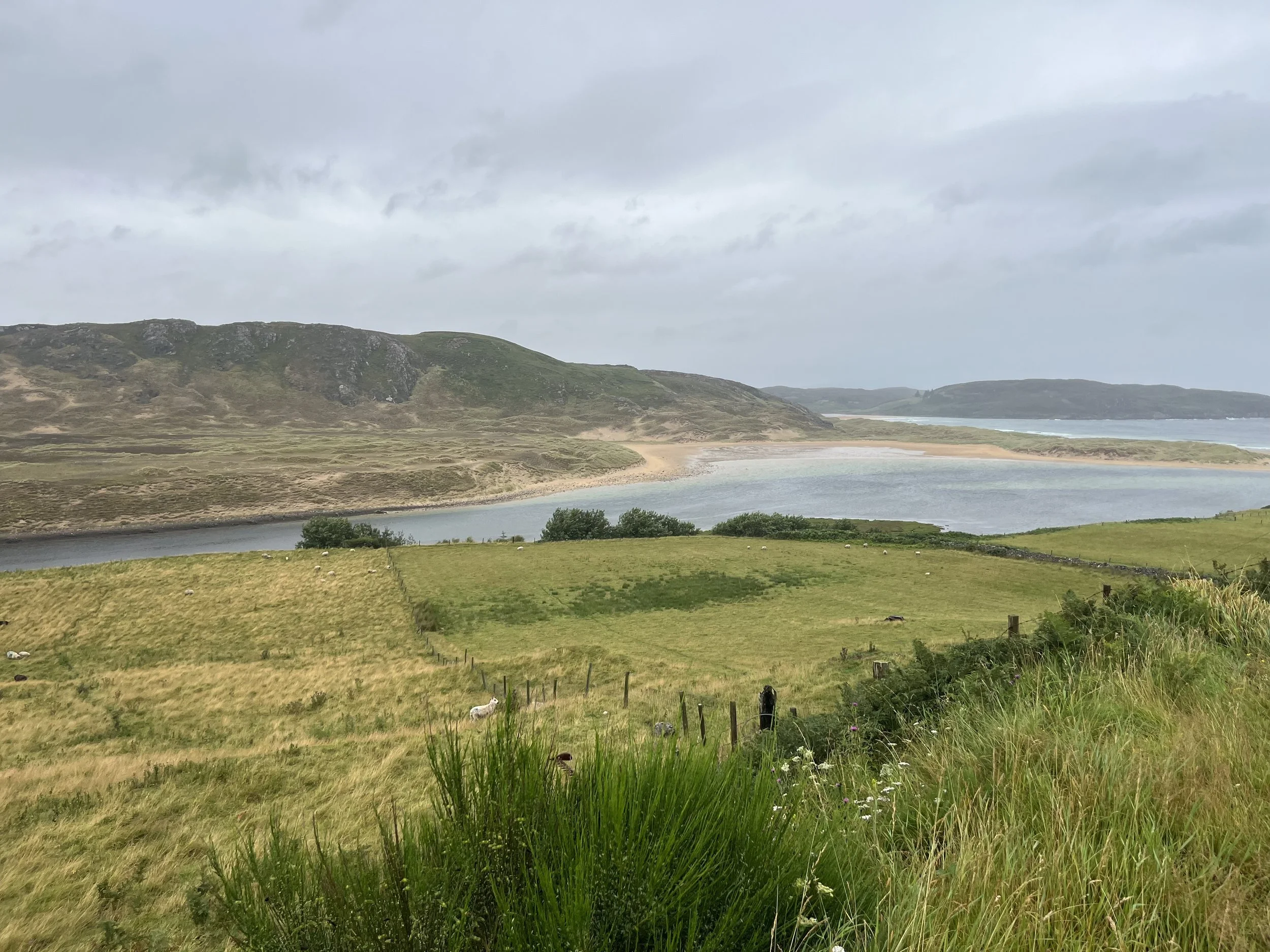
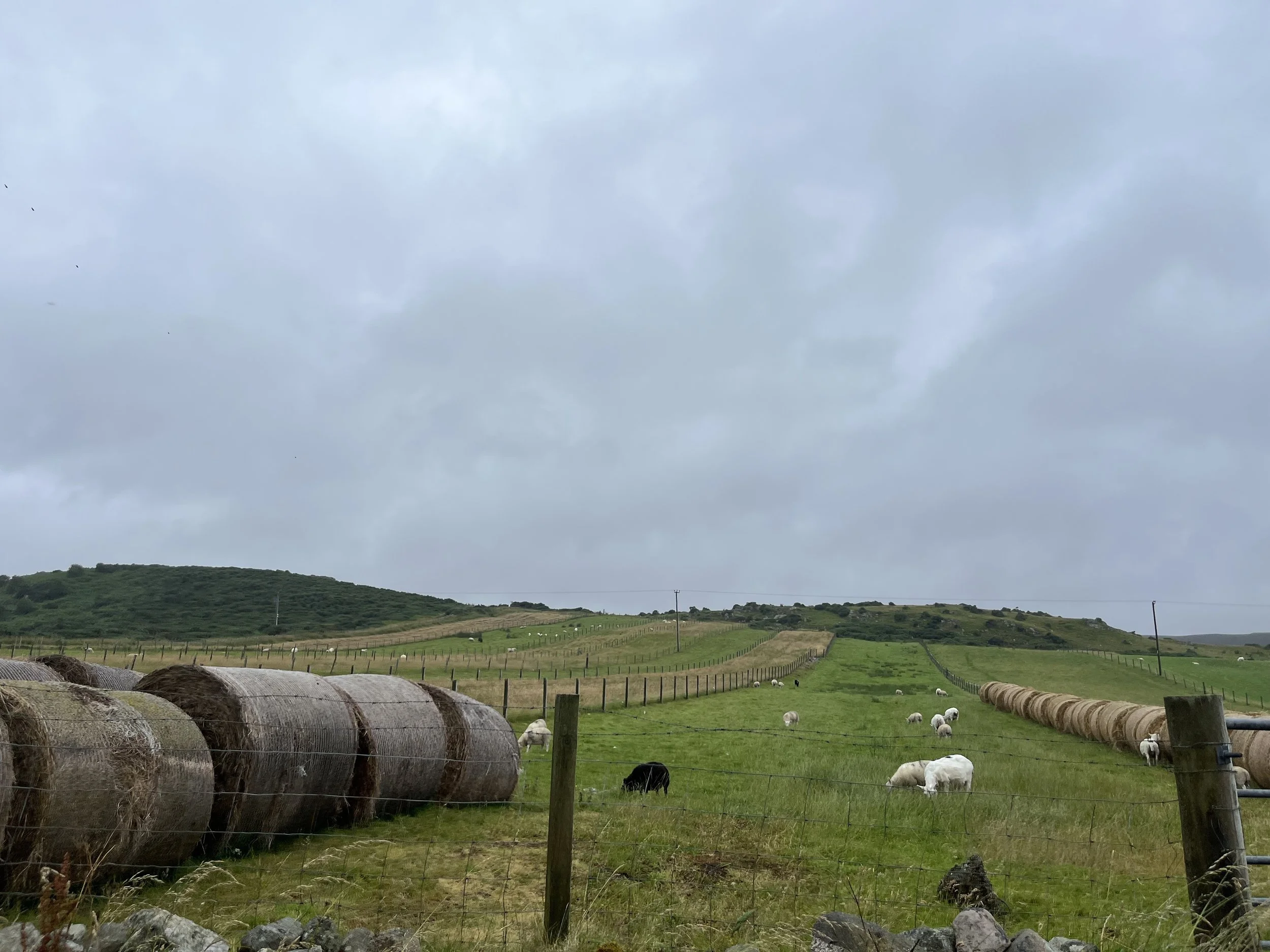
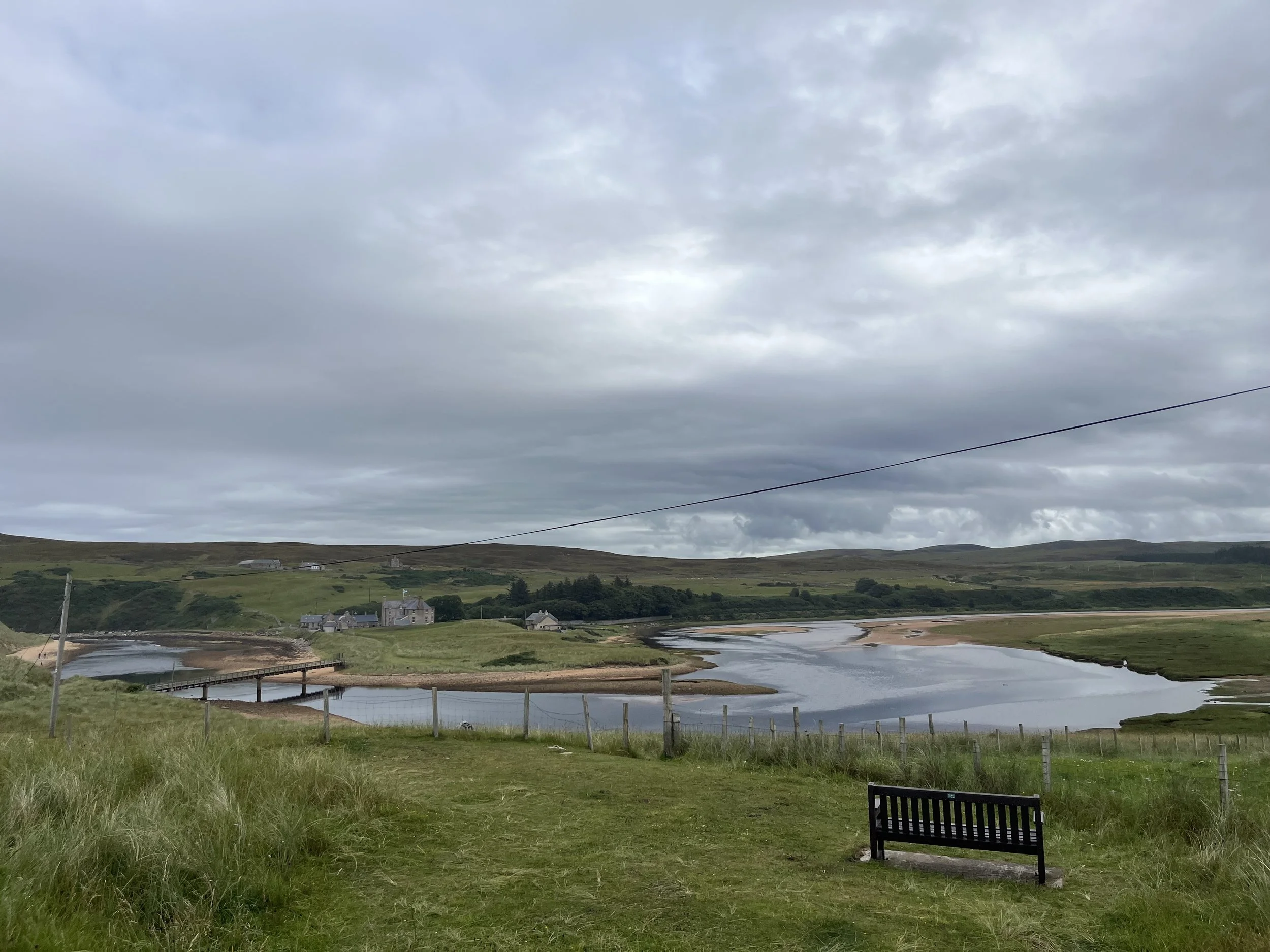
This project covers the combined boundary of the following three community councils:
Bettyhill, Strathnaver and Altnaharra
Strathy and Armadale
Melvich
We know that communities rarely follow a red line on a map, and that many people will have concerns that straddle both sides of the project boundary.
Throughout engagement, we will be more than happy to hear from anyone who lives along the areas of these boundaries. However, the LPP in particular needs to have a solid, defined boundary for it to be adopted by the local authority. This is a key factor in using these three community council boundaries to guide our engagement, as they are already established boundaries.
We are still considering how we write the two documents to cover these three areas. This is something that will become clearer as we understand the different (and similar) needs of the three areas.
Map of areas included | 01: Melvich Community Council area | 02: Strathy and Armadale Community Council area | 03: Bettyhill, Altnaharra and Strathnaver Community Council area
Who are the teams involved?
New Practice is carrying out this work for Farr North Development Trust. The team at New Practice is carrying out the community engagement via the Naver to Halladale programme, and doing the work to turn the findings into the two final documents.
Farr North Community Development Trust
Established in 2020, the trust works across the ancient parish of Farr, encompassing the community council areas of Melvich, Strathy and Armadale, and Bettyhill, Altnaharra and Strathnaver.
We collaborate with community councils, local groups, individuals and partner agencies to understand needs, strengthen opportunities and deliver meaningful change.
By working together, we aim to build a resilient, connected and vibrant future for everyone who calls this area home.
New Practice
New Practice is a Glasgow-based team of architecture, place and community development consultants.
We have over seven years of experience in delivering creative community engagement programmes across both rural and urban settings, and has written feasibility studies, planning strategies, LPPs and CDPs for communities from Whithorn to Orkney, and Ulva to Angus.
Our focus is on carrying out community engagement with a focus on transparency and creativity, responding to the unique nature of each community we work with. In developing strategy documents for communities, we use our design experience to ensure that outcomes are not only creative, but both meaningful and achievable within their unique constraints.
This project is funded by Farr North Community Development Trust and SSE Community Funds:
SSE Community Funds have provided funding to support Naver and Halladale Community Development Plan and Local Place Plan in the communities of Melvich, Strathy and Armadale, and Bettyhill, Strathnaver and Altnaharra.
Through community consultation and engagement, this work will identify local priorities and opportunities, creating a clear framework for future investment. The outcomes will also directly inform the priorities and grant criteria of the future Strathy South Community Fund, helping to ensure that community benefit funding reflects the needs and aspirations of local people.
What are the timescales?
New Practice were appointed in July 2026.
Community engagement will be continually taking place throughout Autumn and Winter, with completion and delivery of the Plans expected early 2027.